Trump's rhetoric on Cuba, terrorism, and the 'radical left' may signal future actions
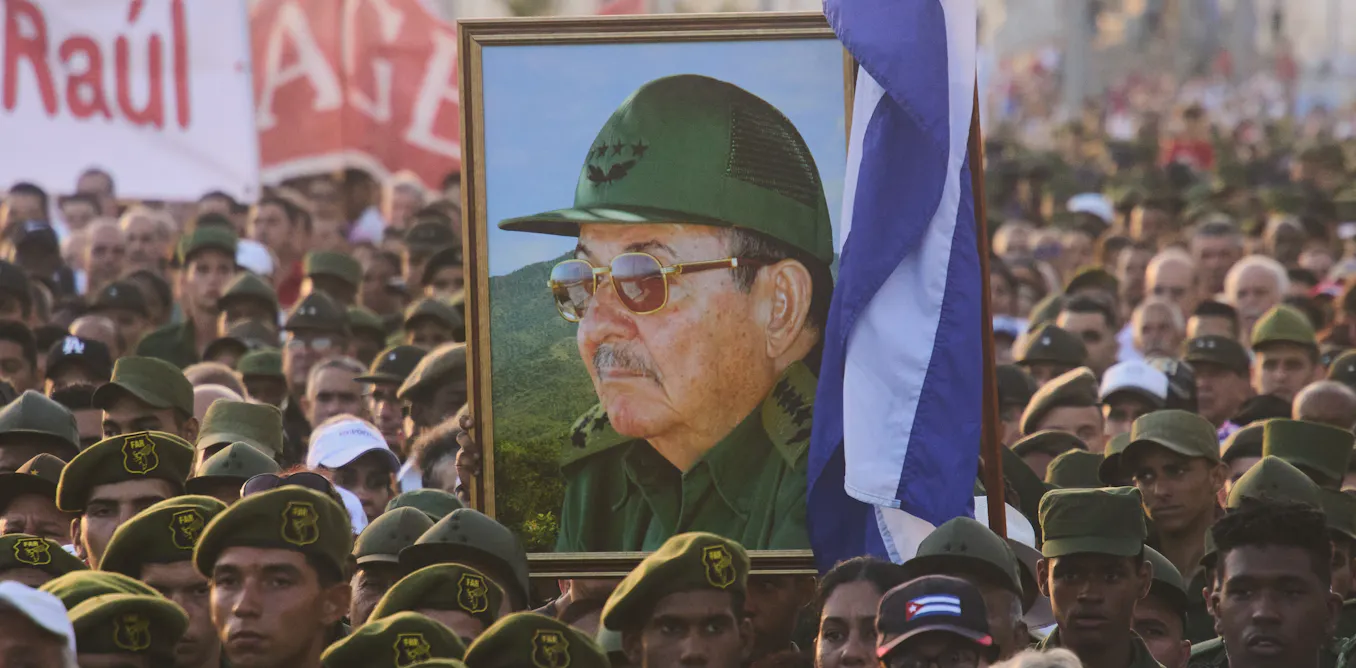
Donald Trump is reportedly leveraging concerns about Cuba, terrorism, and the "radical left" to create a climate of fear. The article suggests that the alleged links between Cuba and espionage or terror operations in the United States are unsubstantiated. However, these claims are presented as providing Trump with a justification or pretext to potentially take action against his perceived adversaries. The implication is that this rhetoric could precede concrete policy or political moves aimed at those he identifies as enemies. The piece highlights how such narratives can be used to frame political opposition and justify strong-arm tactics.
The framing of national security threats, particularly those involving foreign adversaries and domestic political opponents, can serve as a powerful tool for political mobilization. By drawing connections between Cuba, terrorism, and domestic political groups, the rhetoric may aim to consolidate a specific base of support and delegitimize opposition. This strategy taps into historical anxieties and can be employed to justify increased surveillance, stricter border controls, or other security measures. Looking ahead, the interplay between perceived external threats and internal political dynamics will likely continue to shape policy debates, with potential implications for civil liberties and international relations.
AI-generated to prompt reflection — not editorial opinion, not advice, not a statement of fact. How this works.