Trump's Saudi Nuclear Deal Breaks US Stance on Israel Normalization
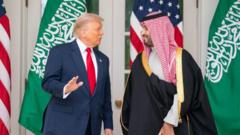
Former President Donald Trump's administration reportedly bypassed long-standing U.S. policy by not requiring Saudi Arabia to normalize relations with Israel in exchange for nuclear technology. Previous U.S. administrations had consistently insisted on this condition. This shift in policy could have significant implications for regional diplomacy and the broader Middle East peace process. The original reporting suggests a departure from a key tenet of U.S. foreign policy in the region. The specifics of the deal and the rationale behind this policy change were not detailed in the provided text. However, the implication is that the U.S. may have prioritized other aspects of the nuclear cooperation agreement over the normalization of Israeli-Saudi ties. This development could alter the landscape of Middle Eastern alliances and security arrangements.
This reported policy shift by the Trump administration concerning nuclear technology transfer to Saudi Arabia, specifically the omission of the normalization with Israel requirement, warrants examination through the lens of geopolitical incentives and long-term strategic stability. The traditional U.S. approach aimed to leverage nuclear cooperation for broader regional integration and peace, potentially creating a more unified front against shared adversaries. By decoupling these elements, the administration may have prioritized immediate transactional gains or different strategic alignments. Future administrations will face the challenge of navigating the consequences of this altered framework, potentially impacting the efficacy of non-proliferation efforts and the delicate balance of power in the Middle East. The long-term implications for regional security architecture and the prospects for Israeli-Arab normalization remain a critical area for observation.
AI-generated to prompt reflection — not editorial opinion, not advice, not a statement of fact. How this works.