Trump's 'Save America Act' Seeks to Alter US Election Requirements
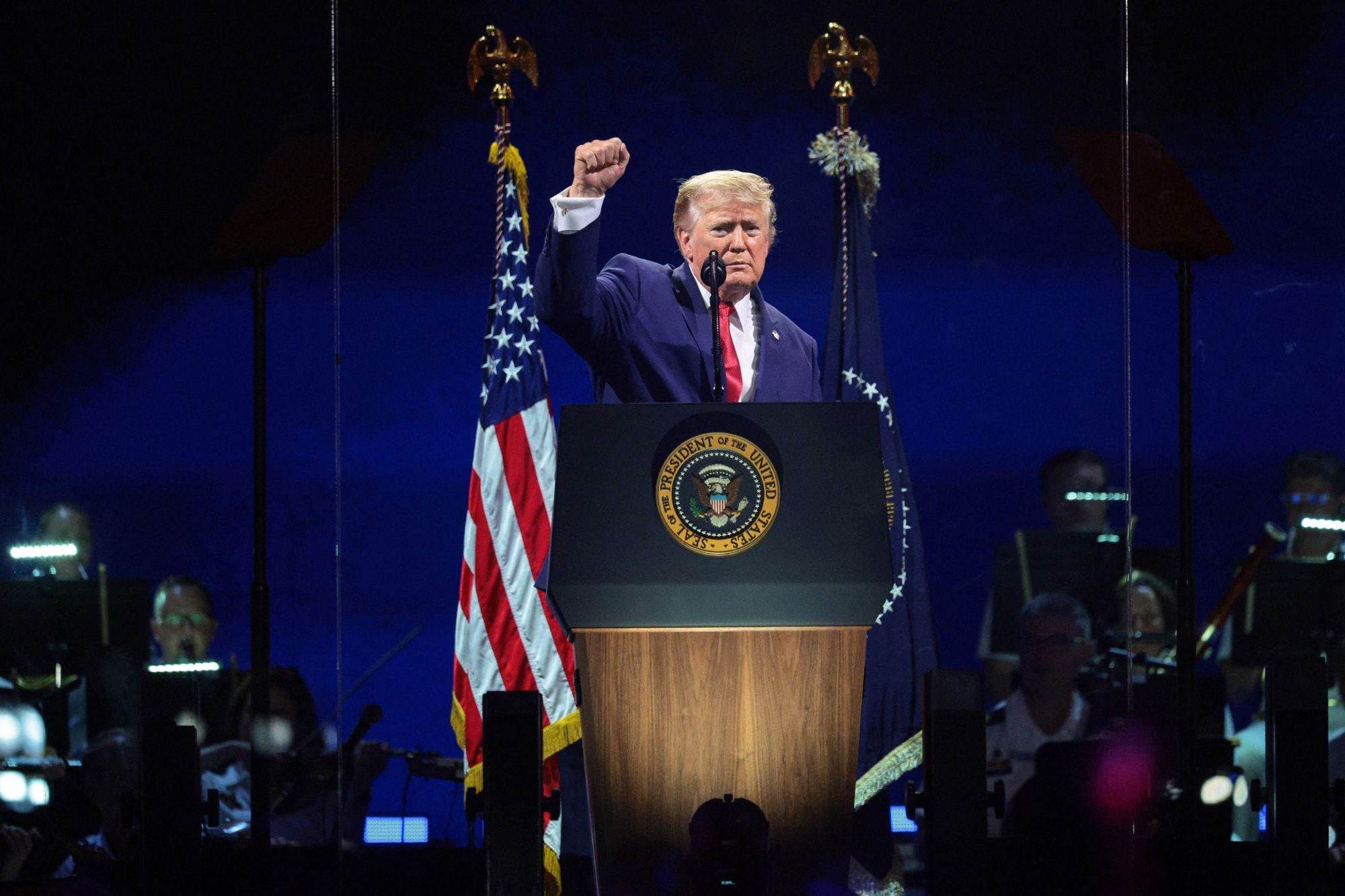
Former President Donald Trump has introduced the 'Save America Act,' a legislative proposal aimed at modifying the requirements for elections in the United States. The core objective of this initiative is to strengthen controls and prevent electoral fraud. The proposed act seeks to implement changes that proponents believe will enhance the integrity of the voting process. Key points of the initiative are expected to address voter eligibility and election administration. The potential impact on voters is a significant consideration, as the act could alter how citizens participate in future elections. Details on the specific changes to requirements and their implications for the electorate are central to understanding the bill's scope. The proposal signifies a continued focus on election security and reform within the Republican party.
The 'Save America Act' reflects a persistent concern within certain political factions regarding election integrity, proposing structural changes to voting requirements. Such legislative efforts often navigate a complex landscape of voter access versus security measures, with potential impacts on participation rates and the perceived legitimacy of electoral outcomes. From a systems perspective, any significant alteration to election frameworks necessitates careful consideration of administrative feasibility, legal challenges, and the potential for unintended consequences on democratic engagement. The long-term viability of such proposals will likely depend on their ability to balance public trust with equitable access in an evolving technological and social environment.
AI-generated to prompt reflection — not editorial opinion, not advice, not a statement of fact. How this works.