Trump's Shifting Stance on Iran, NATO, and Ukraine
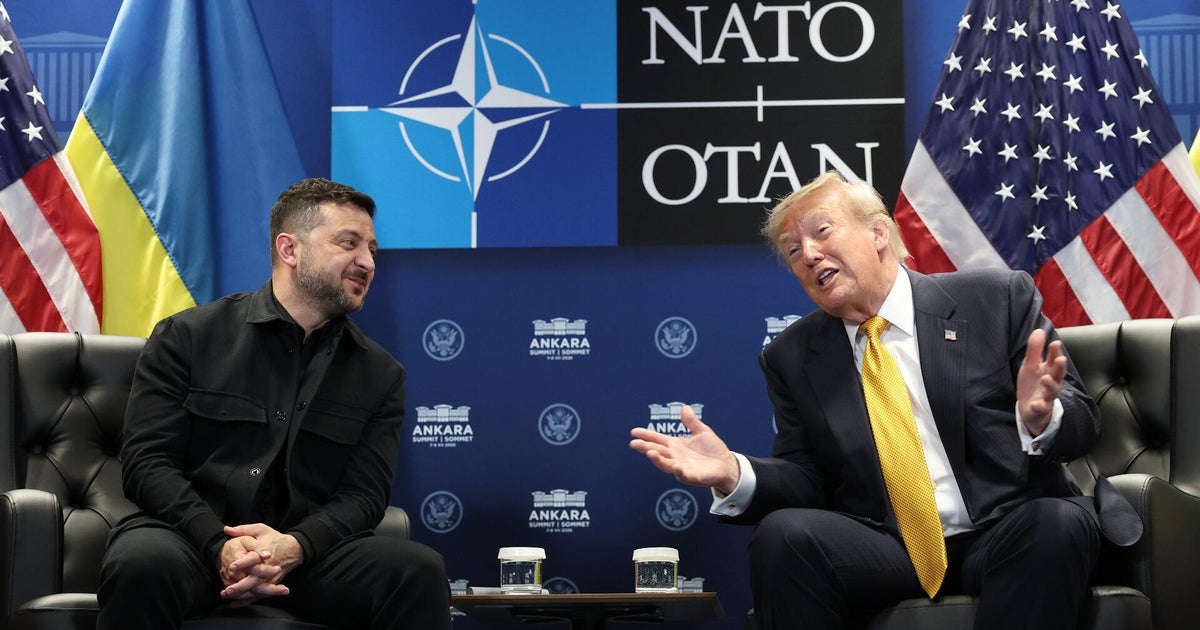
President Trump concluded the NATO summit in Turkey on Wednesday with a seemingly more positive outlook towards Ukraine. This shift in demeanor was discussed by CBS News contributor Niall Ferguson. Ferguson's analysis also touched upon President Trump's recent actions concerning Iran and the ongoing conflict in Ukraine. The summit provided a platform for these discussions, highlighting the complex geopolitical landscape involving these key international players. Trump's interactions at the summit and his policy considerations regarding Iran and Ukraine are central to understanding current international relations. The implications of these dealings extend to the broader context of NATO's role and the persistent challenges posed by the Ukraine-Russia war.
The observed shifts in President Trump's posture towards Ukraine and his engagement with Iran and NATO suggest a dynamic approach to foreign policy, potentially influenced by evolving geopolitical pressures and domestic considerations. Analyzing these interactions through the lens of incentive structures reveals how perceived national interests and alliance dynamics may drive diplomatic strategies. The interplay between international commitments, such as those within NATO, and bilateral relations with countries like Iran and Ukraine, presents a complex governance challenge. Future policy decisions will likely continue to navigate these competing priorities, impacting regional stability and global security architectures in the coming decade.
AI-generated to prompt reflection — not editorial opinion, not advice, not a statement of fact. How this works.