Trump's Shifting Stance on Military Action Against Iran
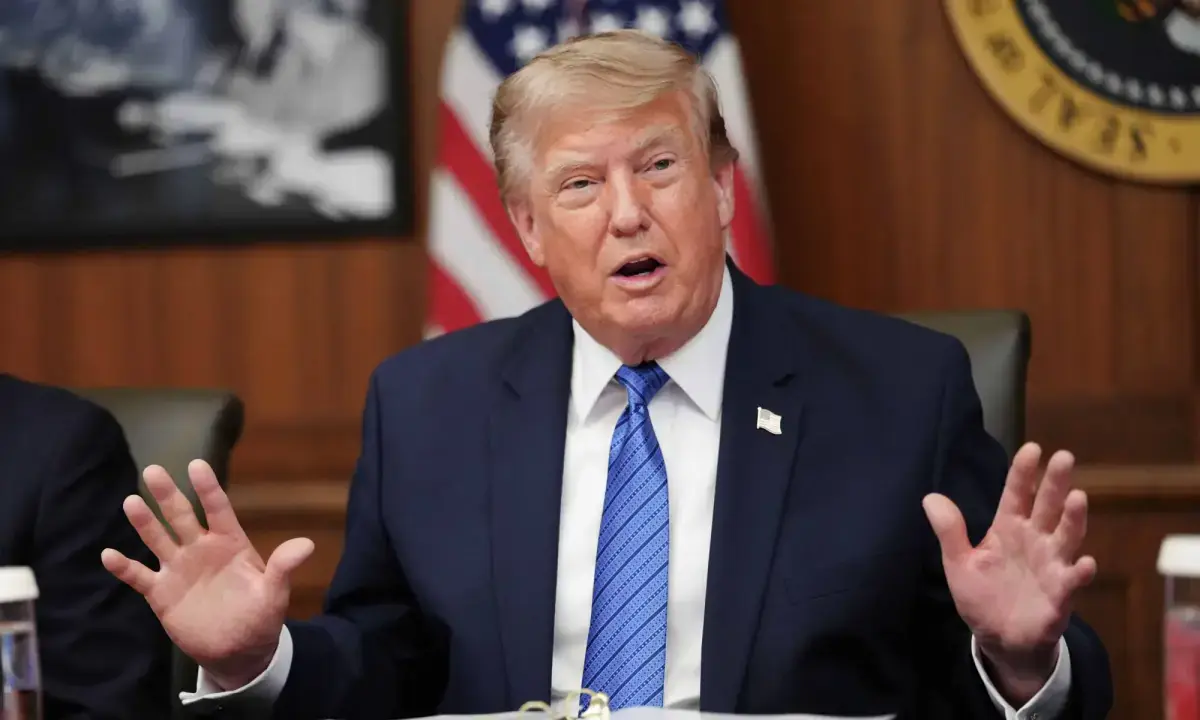
Donald Trump, the 80-year-old Republican, has exhibited a pattern of making aggressive public threats regarding military action against Iran, only to subsequently retract or modify them. These pronouncements have often shifted dramatically and rapidly since the conflict began on February 28. Trump has frequently declared Iran's military capabilities to be defeated, yet later adjusted timelines for potential strikes or threatened further action. On June 17, he described Iran's new leaders as "very smart" and "far less radicalized" than their predecessors, who were killed in US and Israeli strikes. However, by July 8, his tone had changed, with Trump stating, "I don't want to deal with them anymore, they're scum."
Key instances of Trump's fluctuating rhetoric include a March 21 threat to "hit and obliterate" Iran's power plants if the Strait of Hormuz was not fully opened within 48 hours, a statement widely considered a potential war crime due to the targeting of civilian infrastructure. Two days later, he extended the deadline, citing "very good and productive conversations," and later paused potential "Energy Plant destruction" for ten days due to ongoing diplomatic talks. On April 5, Trump posted a profanity-laced message demanding the Strait's opening, followed on April 7 by a stark announcement that "A whole civilization will die tonight." Hours later, he agreed to suspend attacks for two weeks, accepting a truce proposal after speaking with Pakistani leaders.
Further shifts occurred on June 11, when Trump announced imminent, "VERY HARD" strikes on Iran and the seizure of Kharg Island, only to cancel the scheduled bombings hours later, citing negotiation progress. Although an interim deal was signed in June, the conflict re-intensified within a month, with Iran targeting US facilities and US forces striking Iranian defenses and infrastructure. By July 31, Trump indicated plans to "hit them very hard," but on August 1, he stated that Iran and other Middle Eastern countries had requested a halt to any attack, claiming a deal perimeter was agreed upon. Iran's state media, however, has strongly denied making such a request.
The documented shifts in Donald Trump's public pronouncements regarding military action against Iran highlight the complex interplay between presidential rhetoric, geopolitical pressures, and diplomatic maneuvering. This pattern suggests a strategic approach where aggressive threats may serve as leverage in negotiations, aiming to compel adversaries towards concessions by creating an atmosphere of heightened risk. The rapid reversals, however, can introduce uncertainty into international relations, potentially complicating de-escalation efforts and affecting the credibility of stated US policy. Examining the incentive structures driving these communication tactics reveals a potential tension between projecting strength and achieving stable diplomatic outcomes, particularly in volatile regions. Future policy considerations might benefit from analyzing the long-term efficacy of such volatile communication strategies in fostering sustainable peace versus short-term tactical gains.
AI-generated to prompt reflection — not editorial opinion, not advice, not a statement of fact. How this works.