Trump's Shifting Stance on Strait of Hormuz Tolls Highlights Iran Conflict Stalemate
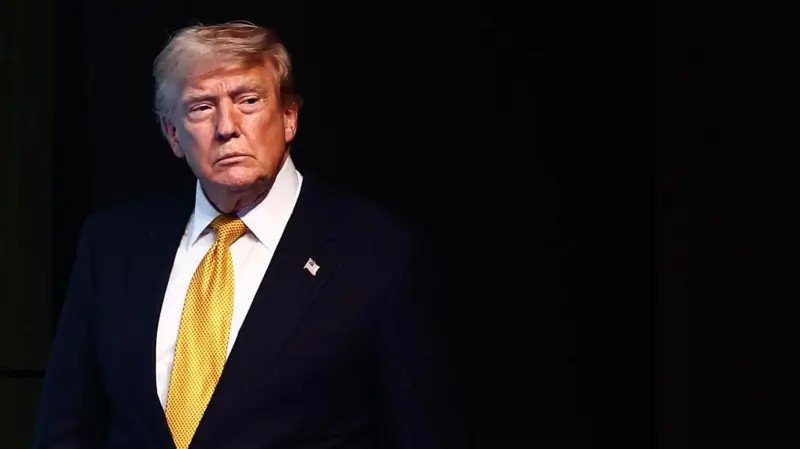
U.S. President Donald Trump initially proposed a 20% "toll" on all vessels, including allies, transiting the Strait of Hormuz to cover American security costs in the volatile region. This announcement came on Monday, July 13th, alongside a declaration of renewed U.S. naval blockades against Iranian ships. However, by the following day, Trump reversed this stance, opting instead for "trade and investment agreements" with Gulf allies, suggesting safe passage through the strait in exchange for such deals. This abrupt policy shift marks another development in a conflict exceeding four months, which shows no signs of resolution despite a recent "memorandum of understanding" (MOU) aimed at a temporary ceasefire and negotiation groundwork. Experts suggest Trump may be hesitant to escalate due to the conflict's unpopularity, potential energy price hikes, and the risk of renewed Iranian attacks on U.S. and allied forces. He might also find ending the conflict without a deal superior to the 2015 Obama-era agreement unappealing. The MOU, intended to end the war, effectively collapsed on Tuesday, July 14th, when Trump announced the resumption of U.S. blockades amidst new military strikes on Iran, prompting Iranian retaliation against U.S. allies and commercial shipping. The Strait of Hormuz traffic has consequently ground to a near halt. Despite military gains by the U.S. in degrading Iran's capabilities, the political conflict remains unresolved, with Iran still able to disrupt passage through the strait. Trump's toll proposal, possibly an attempt to garner domestic support for military commitments, echoes past suggestions. Notably, U.S. Secretary of State Marco Rubio had previously condemned Iran's plan to charge fees for passage through the strait, asserting that no nation can impose tolls on international waterways. The MOU, vaguely worded and leaving key details for later negotiation, included Iranian involvement in maritime traffic supervision and billions in promised investments and sanctions relief. This strategy appears to have failed, as Iran continues to assert control over Hormuz. The situation has returned to a stalemate, with Iran facing renewed U.S. military action and cut oil revenues, while Trump must choose between escalation with its domestic costs or accepting a resolution with a hostile Iranian regime.
The U.S. policy towards Iran, characterized by fluctuating demands and a lack of clear strategic objectives, reflects a persistent challenge in managing complex geopolitical relationships. The proposal and subsequent retraction of a "toll" on shipping through the Strait of Hormuz illustrate a tension between immediate financial incentives and long-term diplomatic goals. This approach, driven by domestic political considerations and the desire for a perceived victory, risks undermining international norms regarding freedom of navigation and creates uncertainty for allies. The situation highlights a systemic contradiction: while military actions may achieve tactical objectives, they fail to address the underlying political and economic drivers of conflict. The reliance on a "war of attrition" strategy, as suggested by experts, indicates a potential for prolonged instability, impacting global energy markets and regional security. Moving forward, a durable resolution will likely require a comprehensive strategy that moves beyond transactional demands and addresses the root causes of Iranian assertiveness and U.S. security concerns, potentially through sustained multilateral diplomacy rather than unilateral actions.
AI-generated to prompt reflection — not editorial opinion, not advice, not a statement of fact. How this works.