Trump's Shifting Stance on Strait of Hormuz Tolls Sparks Global Concern
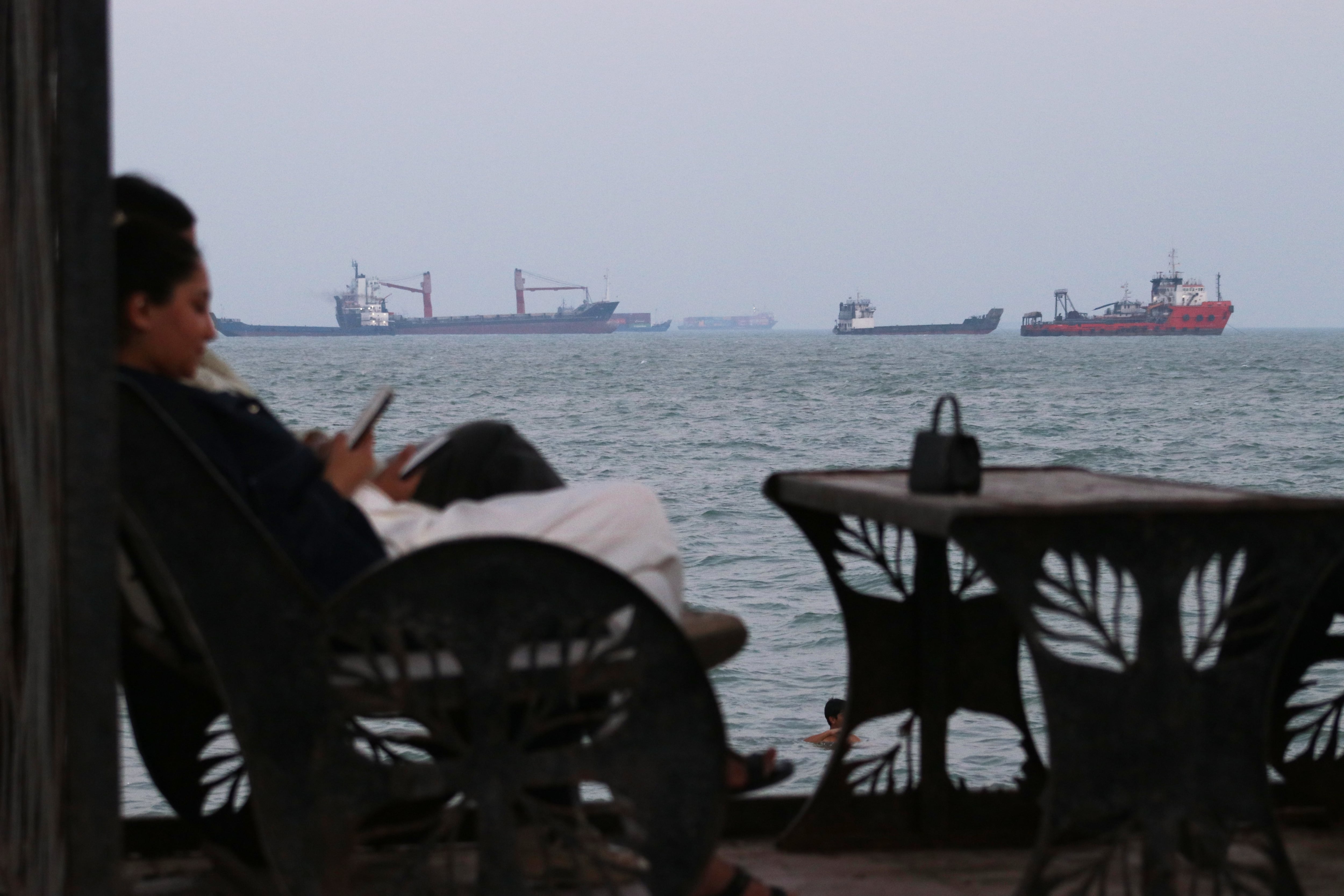
The United States and Iran are escalating tensions over the Strait of Hormuz, a vital waterway for global trade, causing significant concern among shipping companies about potential increases in transportation costs. Former President Donald Trump reportedly proposed imposing tolls on vessels transiting the strategic maritime chokepoint. This idea, however, appears to have been met with internal debate or reconsideration, as reports suggest a subsequent reversal or modification of the proposal. The potential for charging fees in the Strait of Hormuz has raised alarms, as it could disrupt global supply chains and impact the economies of nations reliant on this crucial shipping route. Shipping firms are particularly worried about the financial implications of such a measure, fearing substantial surcharges on their operations. The fluctuating stance from the former president on this matter adds uncertainty to an already volatile geopolitical situation surrounding the Strait.
The proposed imposition and subsequent retraction of tolls on the Strait of Hormuz by former President Trump highlight the complex interplay between geopolitical strategy and global economic interests. Such a policy, if enacted, could have significant implications for international trade flows and shipping costs, potentially impacting global inflation and supply chain stability. The episode underscores the challenges of implementing unilateral economic measures in globally critical infrastructure. Future administrations may need to consider broader international consensus and established maritime law to avoid creating market volatility and diplomatic friction. The long-term impact of such proposals on international shipping routes and the strategic importance of chokepoints like Hormuz warrants careful consideration in the context of evolving global trade dynamics and energy security.
AI-generated to prompt reflection — not editorial opinion, not advice, not a statement of fact. How this works.