Trump's Shifting Stance: Repeatedly Backtracking on Threats Against Iran
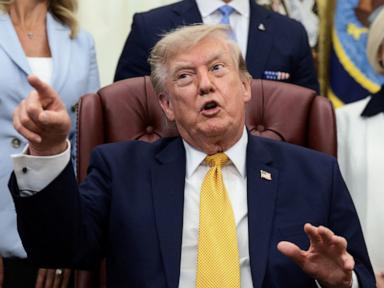
President Donald Trump has a documented history of issuing strong threats of military action against Iran, only to later backtrack or soften his stance. This pattern has occurred on at least seven separate occasions, demonstrating a notable inconsistency in his approach to foreign policy regarding the Middle Eastern nation. These instances highlight a complex dynamic where initial aggressive rhetoric is not always followed by decisive action. The reasons behind these shifts are varied, potentially including diplomatic considerations, internal policy debates, or a strategic reassessment of potential consequences. This pattern of issuing threats and then retreating has been a recurring theme throughout his presidency when dealing with Iran. The implications of such a foreign policy approach can lead to uncertainty among allies and adversaries alike. It also raises questions about the credibility of future pronouncements and the overall strategic direction of US foreign policy.
The repeated issuance and subsequent retraction of threats against Iran by the Trump administration suggest a foreign policy characterized by reactive decision-making rather than consistent strategic planning. This approach may stem from a tension between domestic political pressures and the complex geopolitical realities of engaging with Iran. Such a pattern can create ambiguity in international relations, potentially undermining deterrence and complicating diplomatic efforts. Looking ahead, the effectiveness of future foreign policy initiatives, particularly in volatile regions, may depend on establishing clearer, more predictable communication channels and aligning rhetoric with actionable, long-term objectives. This approach allows for a more stable international environment and fosters greater trust among global partners.
AI-generated to prompt reflection — not editorial opinion, not advice, not a statement of fact. How this works.
