Trump's Stalemate with Iran: Neither War nor Negotiation
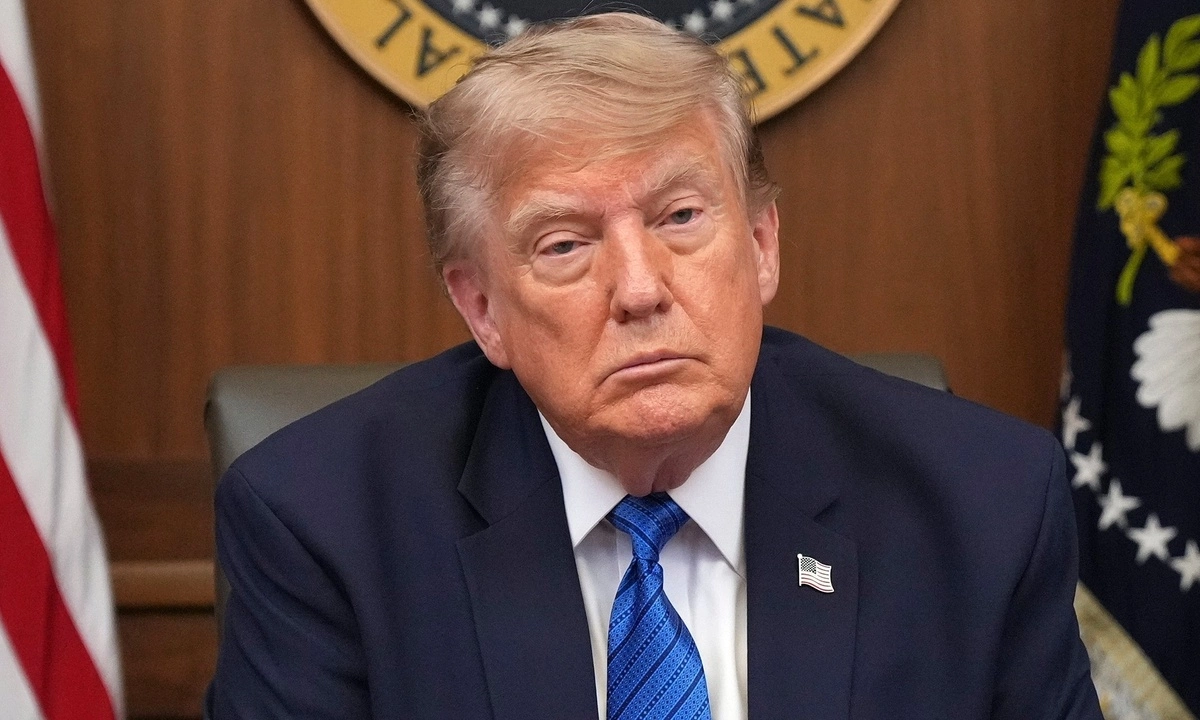
President Donald Trump has repeatedly threatened significant military action against Iran, only to cancel these plans in favor of negotiations. However, the conditions set forth by Tehran for any talks have proven highly unacceptable to Washington. This dynamic has created a complex stalemate where neither a military confrontation nor a diplomatic resolution appears imminent. The situation highlights a persistent challenge in US-Iran relations, characterized by mutual distrust and conflicting demands. Trump's approach has involved a strategy of maximum pressure, aiming to force Iran to the negotiating table on terms favorable to the US. Yet, Iran has largely resisted these overtures, maintaining its own set of preconditions for dialogue. This has led to a protracted period of tension without a clear path forward for either de-escalation or a comprehensive agreement. The repeated cycles of threats and withdrawn actions underscore the difficulty in bridging the gap between the two nations' objectives.
The described situation reflects a strategic impasse driven by competing national interests and differing perceptions of leverage. The US, under President Trump's 'maximum pressure' policy, aimed to compel Iran into concessions through economic sanctions and the threat of military force. Iran, conversely, has sought to resist these pressures and maintain its regional standing, making its preconditions for negotiation stringent. This cyclical pattern of threats followed by diplomatic openings, without substantive breakthroughs, suggests a fundamental disconnect in communication and objectives. The challenge lies in finding a mutually acceptable framework for dialogue that addresses core security concerns for both parties, moving beyond brinkmanship towards a more stable long-term resolution. Future approaches may need to consider alternative diplomatic channels or a reassessment of the efficacy of current pressure tactics in achieving lasting de-escalation.
AI-generated to prompt reflection — not editorial opinion, not advice, not a statement of fact. How this works.
