Trump's Statement Fuels Renewed Tensions in the Middle East
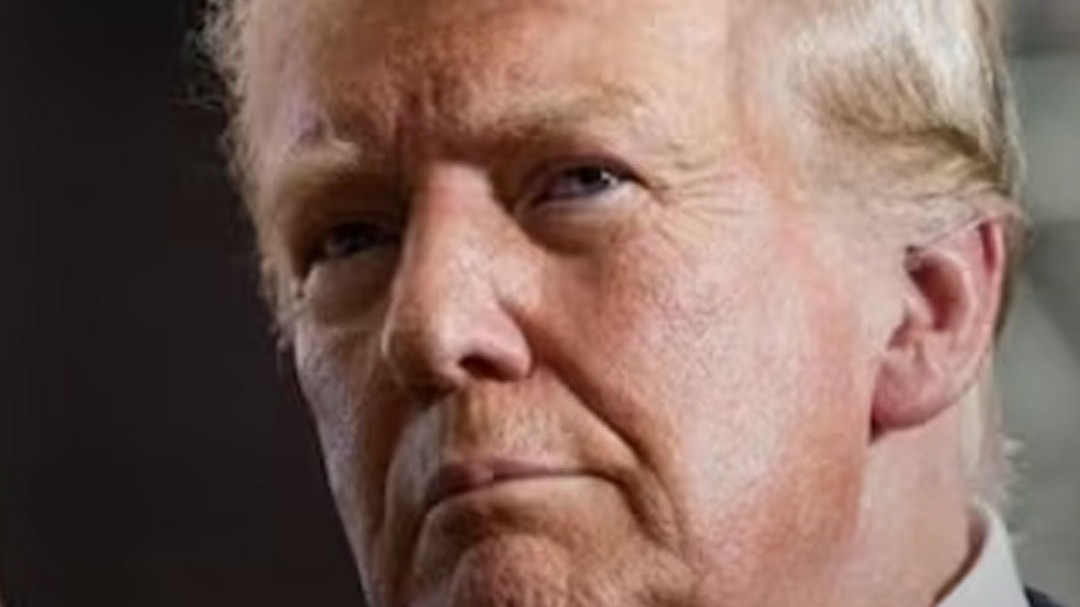
Tensions between the United States and Iran have escalated once again. Following attacks on ships in the Strait of Hormuz, the U.S. has intensified its military actions against Iran. Amidst this, President Donald Trump stated that he believes a ceasefire is now over. However, he also indicated that the future situation would depend on evolving circumstances and the next steps taken by both nations. The situation remains volatile, with potential for further escalation based on the actions of both Washington and Tehran.
The statement by President Trump, suggesting the end of a ceasefire, introduces significant uncertainty into the U.S.-Iran relationship. This rhetoric, occurring after military actions in the Strait of Hormuz, could be interpreted as a signal of potential escalation or a tactic to apply pressure. The geopolitical landscape in the Middle East is characterized by complex interdependencies and historical grievances, where such pronouncements can trigger market volatility and regional instability. Future developments will likely hinge on de-escalation strategies, diplomatic channels, and the interplay of domestic political considerations within both the U.S. and Iran, as well as the responses of other regional powers.
AI-generated to prompt reflection — not editorial opinion, not advice, not a statement of fact. How this works.