Trump's Strategy Targets Trust in Elections, Threatening Democracy
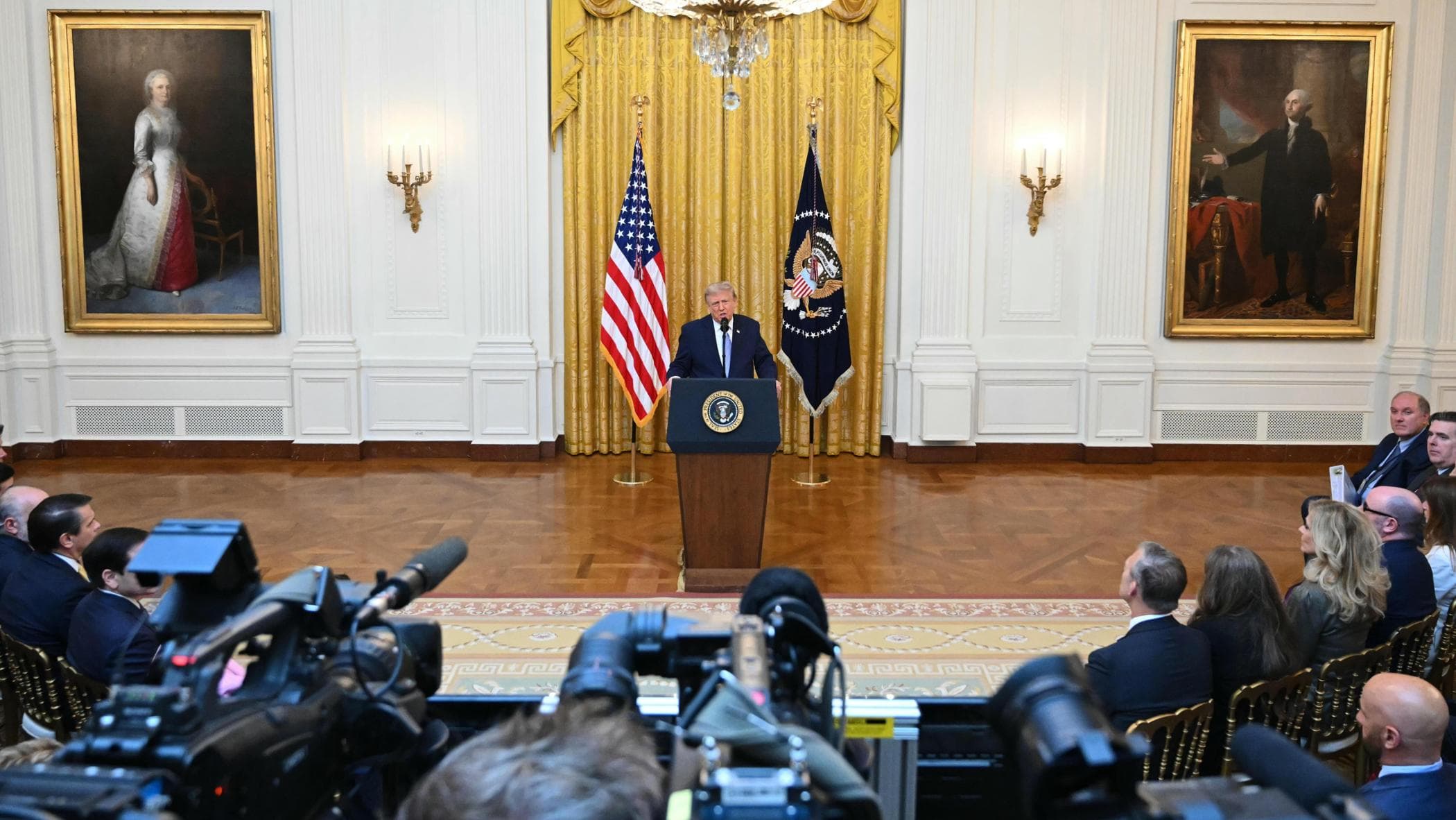
Donald Trump's political strategy is deliberately targeting the core of the democratic system: the trust between elected officials and voters. By questioning the legitimacy of elections, the strategy aims to undermine the very foundation of democracy, suggesting it is a grand deception. This approach, according to the analysis, makes 'everything possible' by eroding the established norms and faith in electoral processes. The implication is that if elections are perceived as fraudulent, the entire democratic framework loses its credibility. This tactic seeks to destabilize the relationship between citizens and their government, creating an environment where established political structures are vulnerable. The strategy is described as precise, indicating a calculated effort to sow doubt and distrust. Ultimately, the aim appears to be to create a situation where the democratic system itself is called into question, potentially paving the way for alternative political arrangements or actions.
This event highlights a critical tension in democratic systems where political actors may leverage distrust in electoral processes for strategic advantage. The core incentive for such a strategy appears to be the potential to mobilize a base by framing established institutions as illegitimate, thereby creating an opening for alternative political movements or leadership. However, this approach carries significant systemic risks, including the erosion of social cohesion and the potential for political instability. From a futurist perspective, as artificial intelligence and digital platforms increasingly influence information dissemination, the ability to manipulate perceptions of electoral integrity becomes a potent, albeit dangerous, tool. Governance frameworks must therefore evolve to safeguard not only the technical accuracy of elections but also the public's faith in their fairness and transparency, balancing robust security with open access and clear communication to mitigate the impact of such destabilizing tactics.
AI-generated to prompt reflection — not editorial opinion, not advice, not a statement of fact. How this works.