Trump's Syria Demand: A Recipe for New Disaster
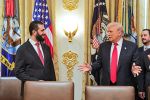
US President Donald Trump has reportedly demanded that Damascus send troops against Hezbollah in Lebanon. This request, if accurate, presents a significant challenge for the new Syrian leadership under Ahmed Sharaa. Sharaa has substantial reasons to refuse this demand, which could destabilize an already volatile region. The implications of such a move could lead to further conflict and complicate international relations concerning Syria and Lebanon. The specific nature of these reasons for refusal is not detailed, but they likely stem from internal Syrian interests and the complex geopolitical landscape. Trump's directive appears to disregard the existing power dynamics and the potential for unintended consequences. This situation highlights the intricate web of alliances and rivalries in the Middle East. The US president's approach may be seen as an attempt to exert influence through indirect means, potentially escalating tensions rather than resolving them. The Syrian government's response will be critical in shaping future regional stability.
This reported US presidential directive to Syria regarding troop deployment against Hezbollah in Lebanon introduces a complex strategic dilemma. The demand appears to leverage Syria's existing internal challenges and its relationship with Iran, a key player in the region. By potentially pressuring Damascus, the US may be seeking to alter regional power balances without direct military engagement. However, such a demand could also provoke unintended consequences, potentially strengthening Hezbollah's resolve or creating new avenues for conflict. The Syrian leadership's decision will likely be guided by its own national interests, its alliance with Iran, and its capacity to manage internal stability. Examining the incentive structures for each actor—the US, Syria, Iran, and Hezbollah—reveals a delicate equilibrium that could be easily disrupted. The long-term implications hinge on whether this directive aims for de-escalation or represents a shift towards a more confrontational regional policy, potentially exacerbating existing fragilities in the coming decade.
AI-generated to prompt reflection — not editorial opinion, not advice, not a statement of fact. How this works.