Trump's Tariff Strategy: A Political Tool Amidst Domestic Challenges
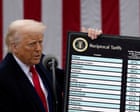
President Donald Trump has escalated his use of tariffs as a primary economic policy tool, particularly in the lead-up to the midterm elections. This strategy comes at a time when Trump faces significant domestic pressures, including low approval ratings, rising gas prices and inflation, and international backlash over his policies. Recently, Trump implemented a 50% tariff on numerous Canadian products and imposed 10% to 12.5% tariffs on goods from over 80 countries. The article suggests that Trump views tariffs as a favored policy instrument, employing them even as global relations sour due to his confrontational approach. While Trump may be celebrating these actions, many countries are expressing strong disapproval of what they perceive as unnecessary and hostile economic measures.
The application of tariffs by the Trump administration appears to be a multifaceted strategy, leveraging economic policy as a political instrument during a period of domestic electoral vulnerability. The stated justifications, such as addressing forced labor, may serve as a pretext for broader objectives, potentially including signaling strength or retaliating against perceived trade imbalances. This approach, while resonating with certain domestic constituencies, risks alienating international partners and disrupting global supply chains. The long-term economic consequences and geopolitical ramifications of such unilateral trade actions warrant careful consideration, particularly in the context of evolving global economic dynamics and the increasing interconnectedness of national economies.
AI-generated to prompt reflection — not editorial opinion, not advice, not a statement of fact. How this works.