Trump's Tariffs: Can He Deliver on Promises of Foreign Investment Surge?
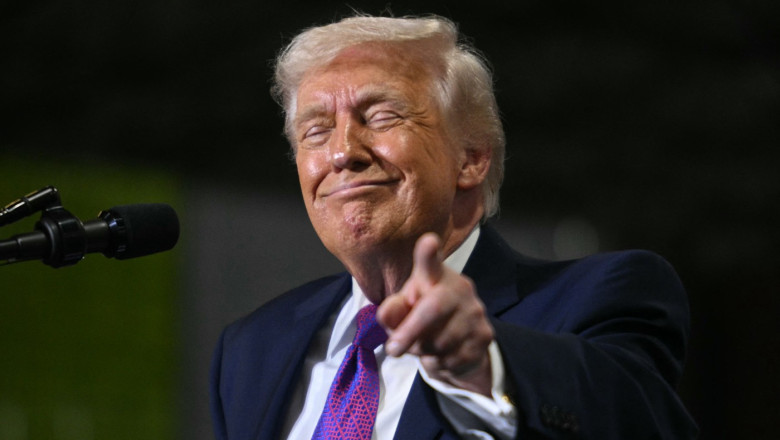
President Trump has made bold predictions about a significant increase in foreign investment flowing into the United States during 2025. He has asserted that the imposition of high tariffs on imported goods by his administration will compel foreign companies to establish manufacturing facilities within America. This strategy, according to the President's claims, is intended to grant these companies access to the lucrative American market. The New York Times reports on these assertions, questioning whether the promised surge in foreign investment will materialize as a direct consequence of the tariff policy. The core of Trump's argument is that externalizing production to avoid tariffs will become economically unviable for many international businesses seeking to serve U.S. consumers. This approach aims to stimulate domestic production and job creation by redirecting capital that might otherwise be invested abroad or spent on imported goods. The effectiveness of this tariff-driven investment strategy remains a key point of discussion and scrutiny.
The economic strategy outlined by President Trump centers on leveraging tariffs as a mechanism to reshape international trade flows and incentivize domestic investment. This approach posits that increased costs for imported goods will create a comparative advantage for domestic production, thereby attracting foreign direct investment. However, such policies can also lead to retaliatory tariffs from other nations, potentially disrupting global supply chains and increasing costs for domestic consumers and businesses. The long-term impact on economic growth, competitiveness, and international relations hinges on a complex interplay of market responses, geopolitical reactions, and the adaptability of global corporations. Evaluating the success of this strategy requires a nuanced understanding of these interconnected dynamics beyond the immediate promise of increased investment.
AI-generated to prompt reflection — not editorial opinion, not advice, not a statement of fact. How this works.