Trump's Third Tariff Round Creates Complex and Chaotic Trade System
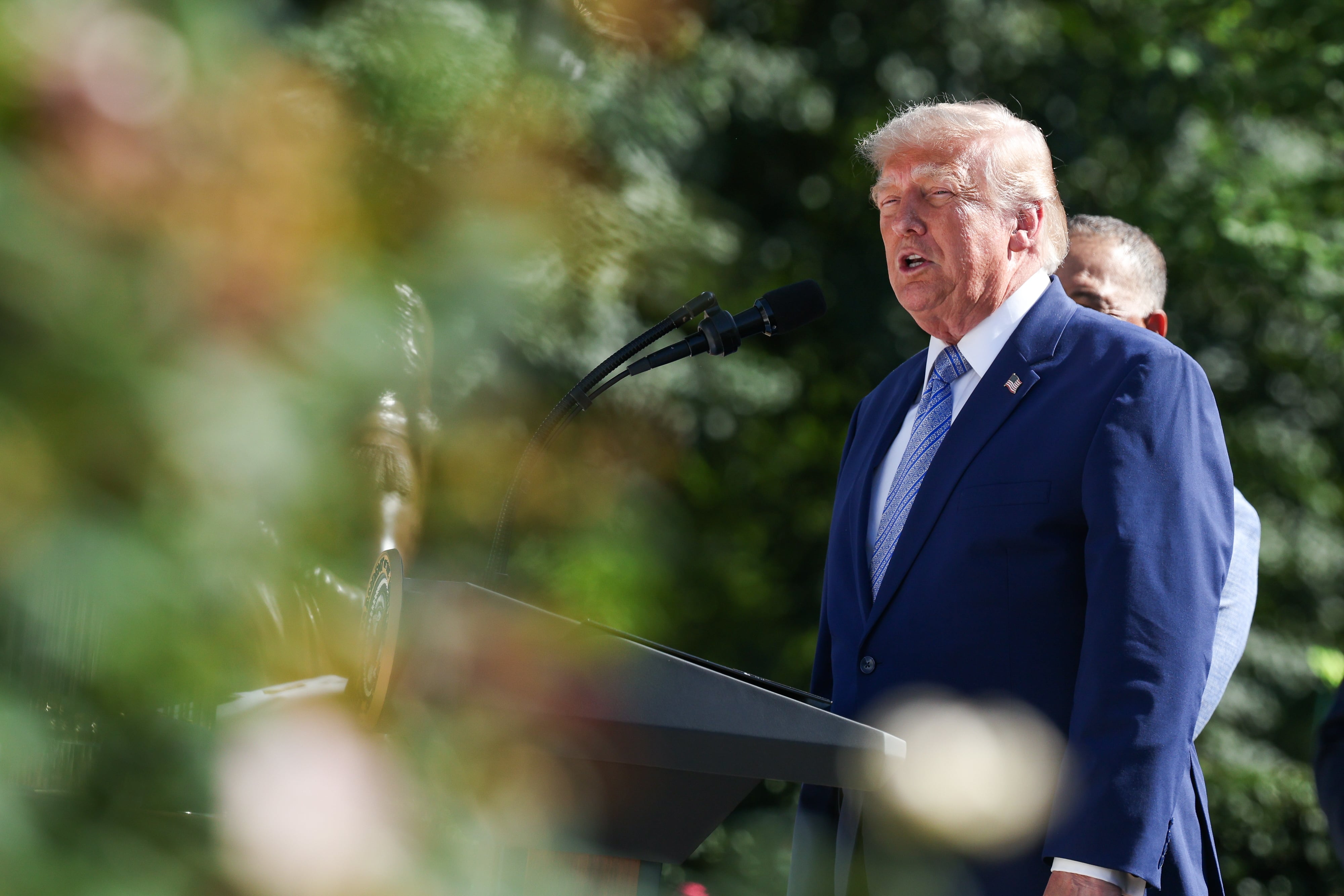
The United States has implemented a highly complex trade system as part of its third round of tariffs. This intricate framework features numerous exemptions and distinct regimes tailored for sectors across 60 different economies. The move has been described as creating a chaotic commercial environment. The specific details of these differentiated regimes and exemptions are not provided, but the overall structure suggests a departure from simpler, more uniform trade policies. This approach aims to exert pressure on specific countries and industries, but its complexity raises questions about its long-term effectiveness and potential unintended consequences for global trade flows. The administration's strategy appears to involve a highly granular approach to trade sanctions and negotiations, impacting a wide array of international economic partners.
The introduction of a complex, multi-tiered tariff system across 60 economies signifies a strategic shift towards highly customized trade pressure. This approach, while potentially allowing for targeted leverage, introduces significant administrative complexity and market uncertainty. The differentiation of regimes and exemptions suggests an attempt to exploit specific economic vulnerabilities and reward favored partners, potentially fragmenting global supply chains. Such a system's long-term viability may be challenged by its inherent complexity, the risk of retaliatory measures, and the potential for creating new inefficiencies that could outweigh its intended benefits in the evolving global economic landscape.
AI-generated to prompt reflection — not editorial opinion, not advice, not a statement of fact. How this works.