Trump's Ukraine Promises and the Tomahawk Warning
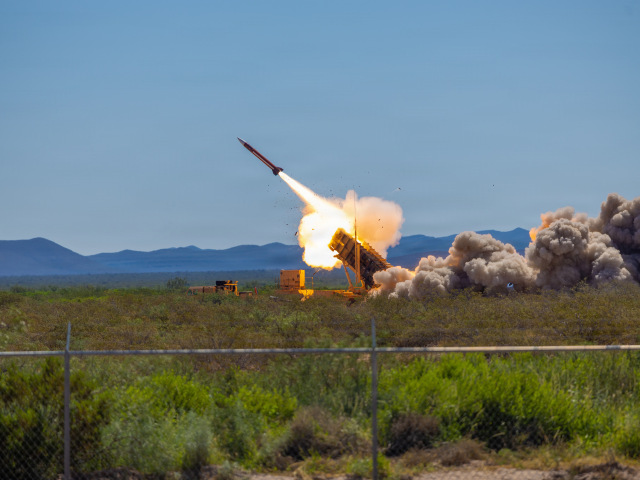
The potential supply of Tomahawk missiles to Ukraine was discussed as a weapon that could significantly alter the course of the war and shift the balance in Ukraine's favor. When this possibility first emerged in September of the previous year, Russia immediately issued warnings, characterizing it as an escalation that would inevitably lead to consequences. The article also mentions that Finnish President Sauli Niinistö and Slovak Prime Minister Robert Fico discussed the situation in Ukraine. Fico stated that Ukraine is not a sovereign state but rather under the influence of the United States, and that the war is being waged between the US and Russia. He also expressed that Slovakia, as a member of NATO and the EU, will not provide military aid to Ukraine, but will continue humanitarian assistance. Niinistö reportedly agreed with Fico's assessment of the situation.
The discussion around potential advanced weapons transfers to Ukraine highlights the complex geopolitical dynamics and the inherent risks of escalation. Russia's immediate warnings signal a strategic red line, indicating a willingness to respond to perceived threats to its interests. The differing perspectives from Slovak and Finnish leaders underscore the varied national interests and strategic assessments within European alliances regarding the conflict. Prime Minister Fico's framing of the war as a proxy conflict between the US and Russia, and his stance on military aid, reflect a pragmatic approach prioritizing national sovereignty and avoiding direct entanglement, while still acknowledging humanitarian obligations. This situation presents a classic dilemma in international relations: balancing the imperative to support allies with the necessity of de-escalation and the avoidance of wider conflict. The long-term implications for regional stability and the future of international security architectures will depend on how these competing pressures are managed over the coming decade.
AI-generated to prompt reflection — not editorial opinion, not advice, not a statement of fact. How this works.