Trump: Saudi civilian nuclear deal hinges on Israel recognition
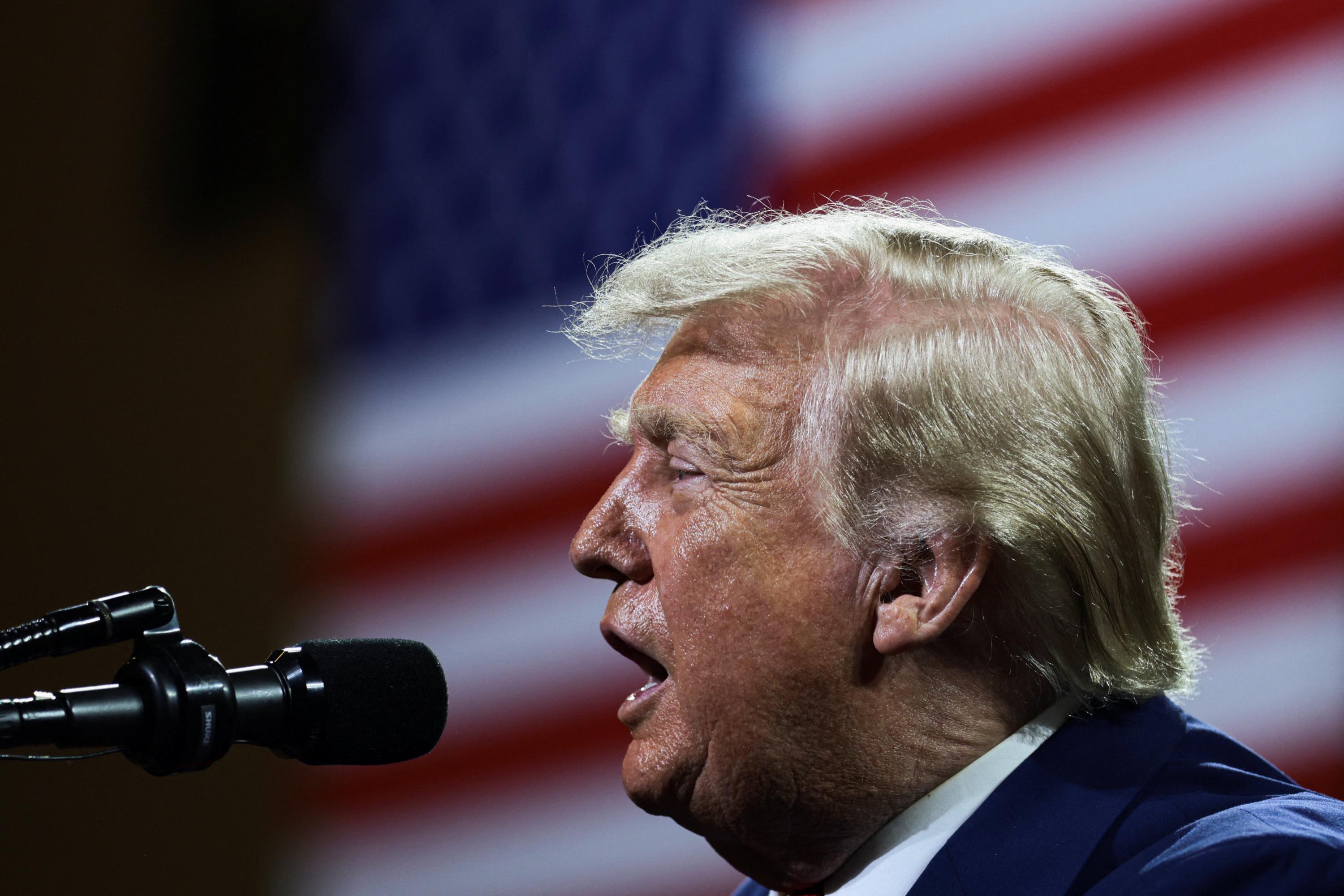
The United States announced a deal with Saudi Arabia on Wednesday night to provide the kingdom with a civilian nuclear program. This development has raised concerns about a potential nuclear arms race, particularly in the context of the ongoing conflict with Iran. Former U.S. President Donald Trump stated that the agreement is entirely conditional on Saudi Arabia's recognition of Israel. The specifics of the deal and the implications for regional stability remain subjects of international scrutiny. The U.S. has been working to secure Saudi cooperation on nuclear energy while also navigating complex geopolitical relationships in the Middle East. The potential for proliferation and the broader impact on global security are key considerations. This agreement underscores the intricate balance of diplomacy and security interests in the region.
The U.S. agreement to support Saudi Arabia's civilian nuclear program introduces significant geopolitical considerations. The stated conditionality on Saudi recognition of Israel, as highlighted by former President Trump, suggests a strategic linkage between regional normalization and nuclear technology transfer. This approach attempts to leverage energy cooperation for diplomatic breakthroughs, but it also risks exacerbating existing tensions with Iran and potentially triggering a regional arms race. The international community will be closely monitoring the safeguards and verification mechanisms in place to ensure peaceful use of nuclear technology. The long-term implications for nuclear non-proliferation and regional security architecture warrant careful consideration, particularly in the evolving global landscape of energy demands and geopolitical realignments.
AI-generated to prompt reflection — not editorial opinion, not advice, not a statement of fact. How this works.