Trump Shares AI-Generated Poster Hinting at Third Term, Though Unconstitutional
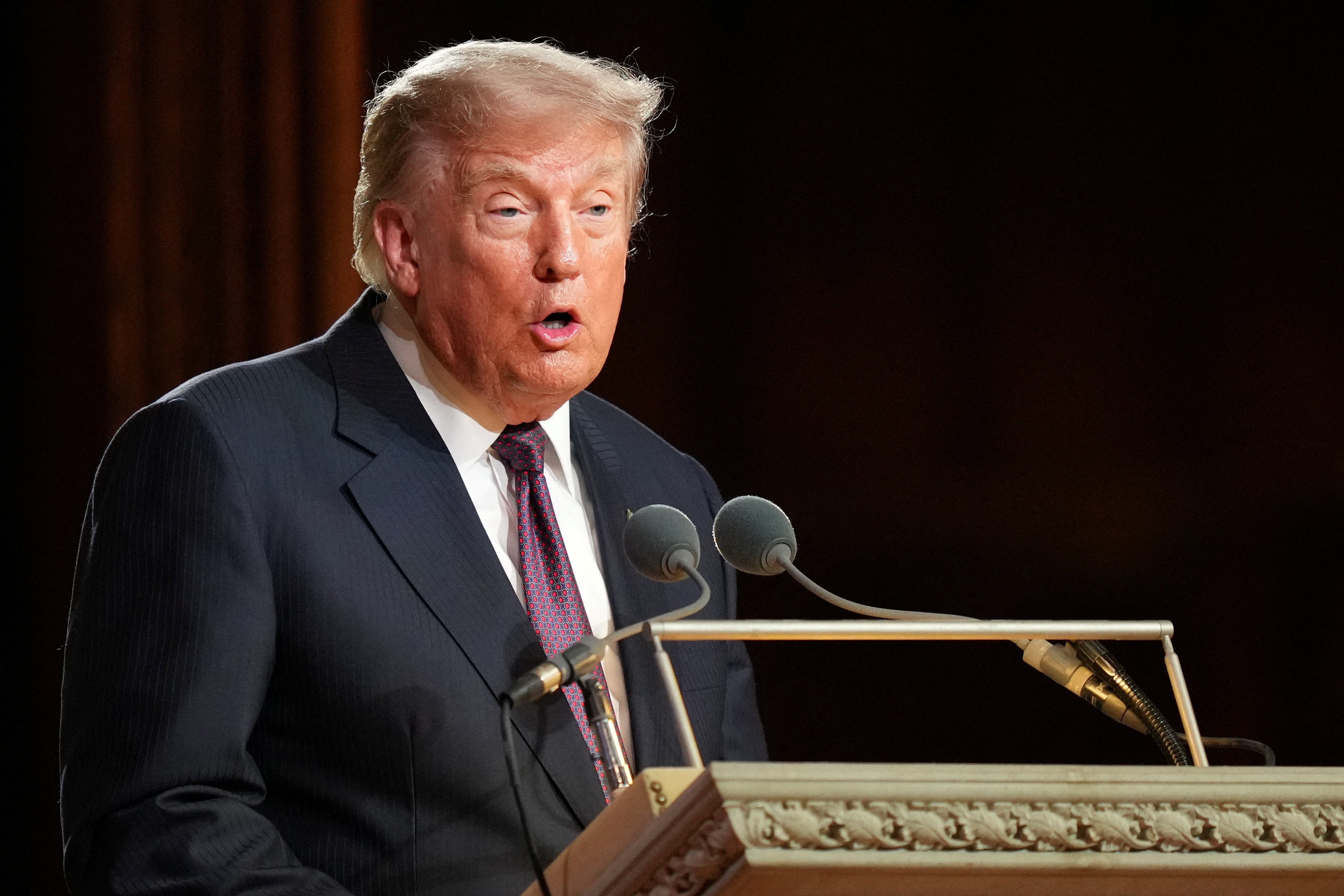
Former U.S. President Donald Trump has again raised the possibility of seeking a third presidential term, an action prohibited by the U.S. Constitution. On Saturday, August 1st, Trump posted an AI-generated poster on his social media platform, Truth Social, featuring the phrase "Trump 2028." This refers to the upcoming U.S. presidential election scheduled for 2028. The poster was created using artificial intelligence. The U.S. Constitution explicitly limits a president to two terms, whether consecutive or not. The 22nd Amendment, ratified in 1951 following Franklin D. Roosevelt's four consecutive terms, states that "no person shall be elected to the office of President more than twice." Donald Trump served as president from 2017 to 2021 and was re-elected in 2024, with his current term running from January 2025 to early 2029. Trump did not include any accompanying text with the AI-generated image. However, since returning to the White House in January 2025, he has repeatedly suggested he is considering running for re-election. In March 2025, shortly after taking office, he stated in an interview that he would pursue a third term, asserting "I'm not kidding."
The dissemination of an AI-generated image by a prominent political figure, suggesting a third presidential term, highlights the evolving intersection of artificial intelligence and political discourse. While the image itself is a clear violation of constitutional term limits, its sharing prompts reflection on the strategic use of emerging technologies in political messaging. The underlying incentive structure for politicians may involve leveraging novel communication tools to generate attention and test public sentiment, even for proposals that face significant legal and constitutional barriers. This event underscores the growing challenge of distinguishing authentic political statements from AI-assisted content and the potential for such technologies to amplify or even create political narratives that deviate from established norms and legal frameworks. As AI capabilities advance, navigating the veracity and intent behind political communications will become increasingly critical for informed public engagement.
AI-generated to prompt reflection — not editorial opinion, not advice, not a statement of fact. How this works.