Trump Shares Video of Alleged Iran Bombing Amid Escalating Tensions
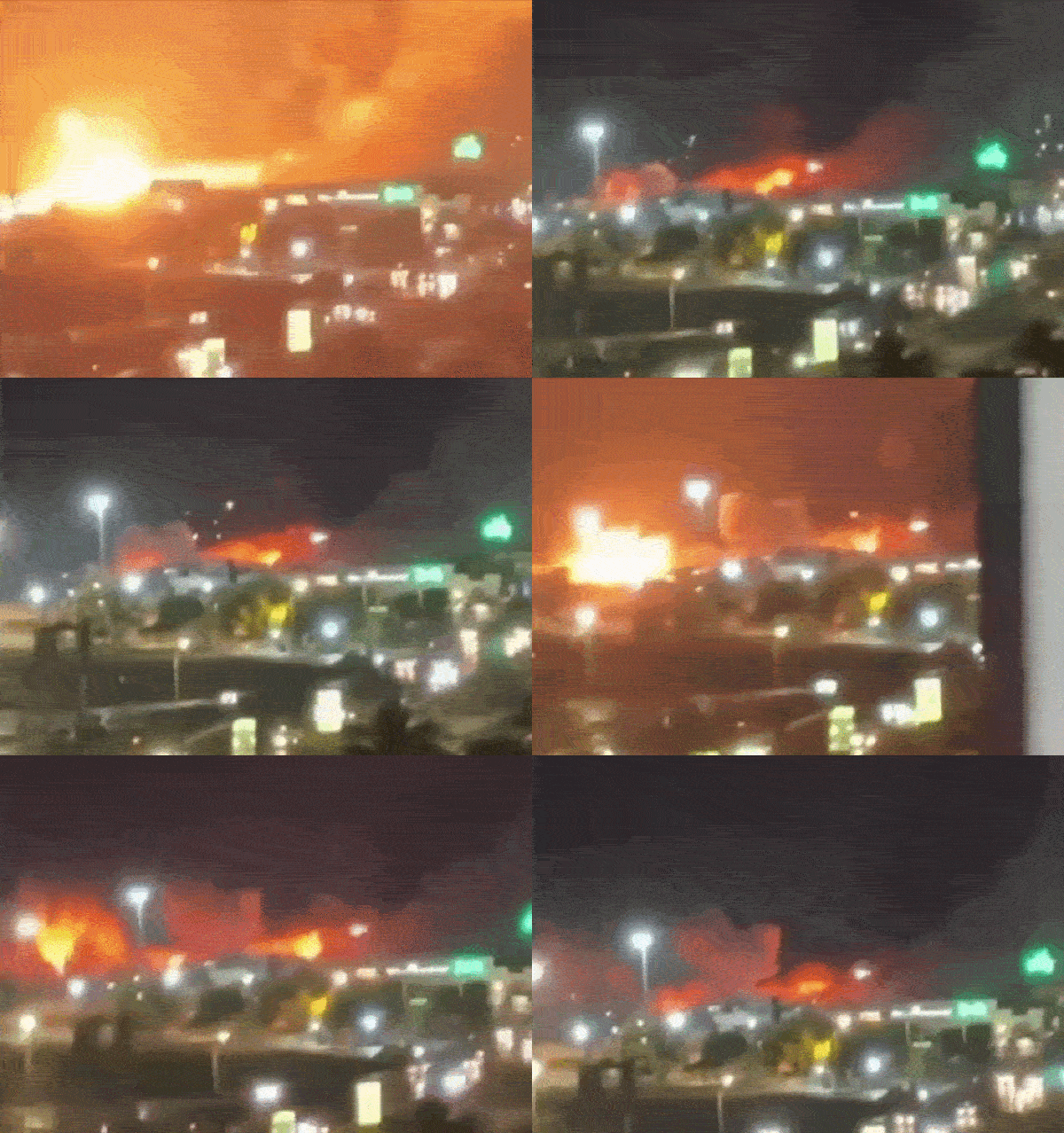
U.S. President Donald Trump posted a video on social media Tuesday, May 7th, depicting explosions, which he later reposted with a follower's comment identifying the location as Iran. The footage shows bombs falling on a city and smoke rising. This occurred after the U.S. launched strikes against Iran, accusing the regime of attacking three commercial vessels in the Strait of Hormuz. In retaliation, Iran reportedly fired missiles at U.S. military bases in Bahrain and Kuwait, with the Revolutionary Guard claiming 85 U.S. military installations were hit. Both Bahrain, home to the U.S. Navy's 5th Fleet, and Kuwait, headquarters for U.S. Army forces in the region, had their populations alerted to missile threats. Iran's central military command confirmed the retaliatory strikes and vowed a decisive response to what it called U.S. aggression. Iranian state media acknowledged explosions in Bandar Abbas, Qeshm, and Sirik, but provided no details on casualties or damage in Bahrain and Kuwait. This military escalation jeopardizes a provisional ceasefire agreement brokered after a conflict began in late February. The attacks coincide with President Trump's attendance at a NATO summit in Turkey.
The events described represent a significant escalation in a volatile geopolitical situation, potentially destabilizing regional security and international trade routes. The sharing of a bombing video by a head of state, while potentially intended to signal resolve, carries risks of misinterpretation and unintended provocation, impacting diplomatic channels and public perception. The tit-for-tat military actions, involving alleged naval attacks and missile retaliations against military bases, highlight the complex incentive structures driving conflict in the region. Future de-escalation will likely depend on the ability of both nations to manage domestic political pressures and adhere to established international norms, particularly concerning freedom of navigation and the non-use of force. The broader implications for global energy markets and the ongoing AI transformation, which relies on stable supply chains, warrant careful monitoring.
AI-generated to prompt reflection — not editorial opinion, not advice, not a statement of fact. How this works.