Trump Skeptical of Russian Military Intel to Iran, Vows to Question Putin
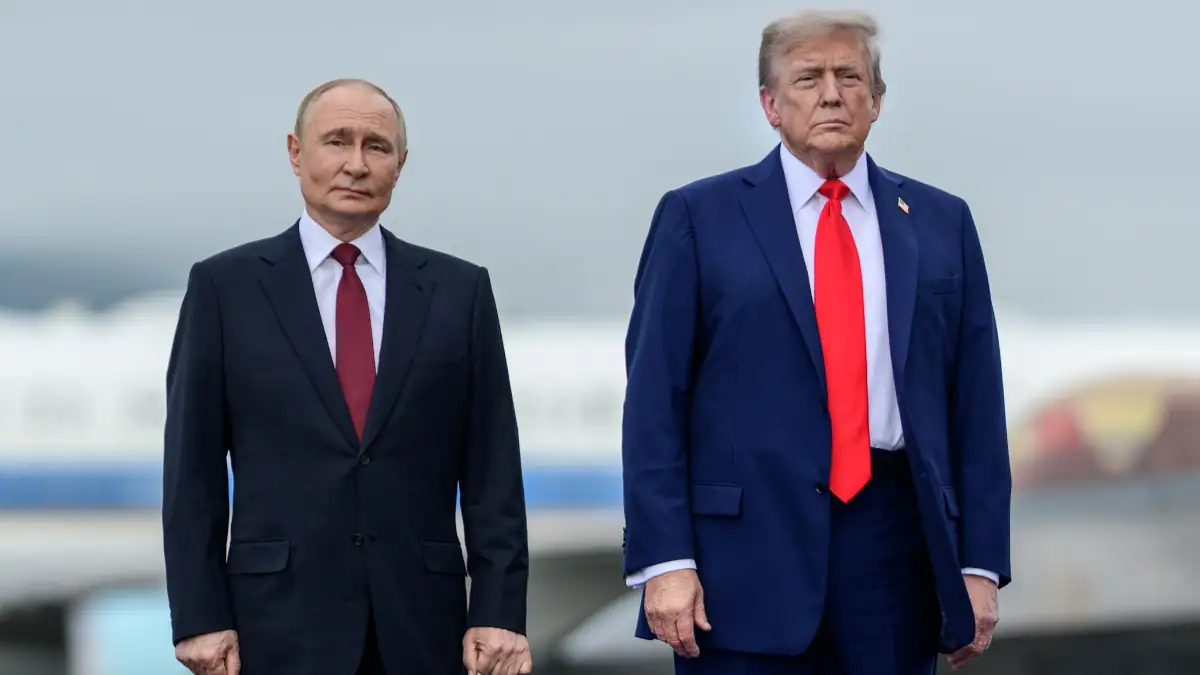
Former U.S. President Donald Trump expressed skepticism on July 27 regarding claims that Russia supplied military intelligence to Iran. Speaking aboard Air Force One, Trump stated he did not believe such a transfer occurred, particularly at a high level. He announced his intention to directly question Russian President Vladimir Putin about the matter. These comments came in the context of accusations made by Ukrainian President Volodymyr Zelensky. Trump's remarks suggest a potential divergence from U.S. intelligence assessments or a desire to independently verify information. His willingness to engage directly with Putin on sensitive security issues highlights a unique approach to foreign policy and international relations. The former president's stance could influence diplomatic discussions and perceptions of the Russia-Iran relationship.
Donald Trump's expressed skepticism regarding Russian military intelligence sharing with Iran, coupled with his stated intent to directly question President Putin, presents a complex geopolitical dynamic. This approach, prioritizing direct engagement over established intelligence channels, could be interpreted through the lens of transactional diplomacy and a desire to assert personal leverage. From a systemic perspective, such actions may challenge established international norms for intelligence verification and alliance cohesion. The long-term implications for regional security and the strategic alignment between Russia, Iran, and Western powers warrant careful observation, particularly in the evolving landscape of global power structures and technological interdependencies.
AI-generated to prompt reflection — not editorial opinion, not advice, not a statement of fact. How this works.