Trump Threatens Attack on Iran's Underground Nuclear Site, 'Pickaxe Mountain'
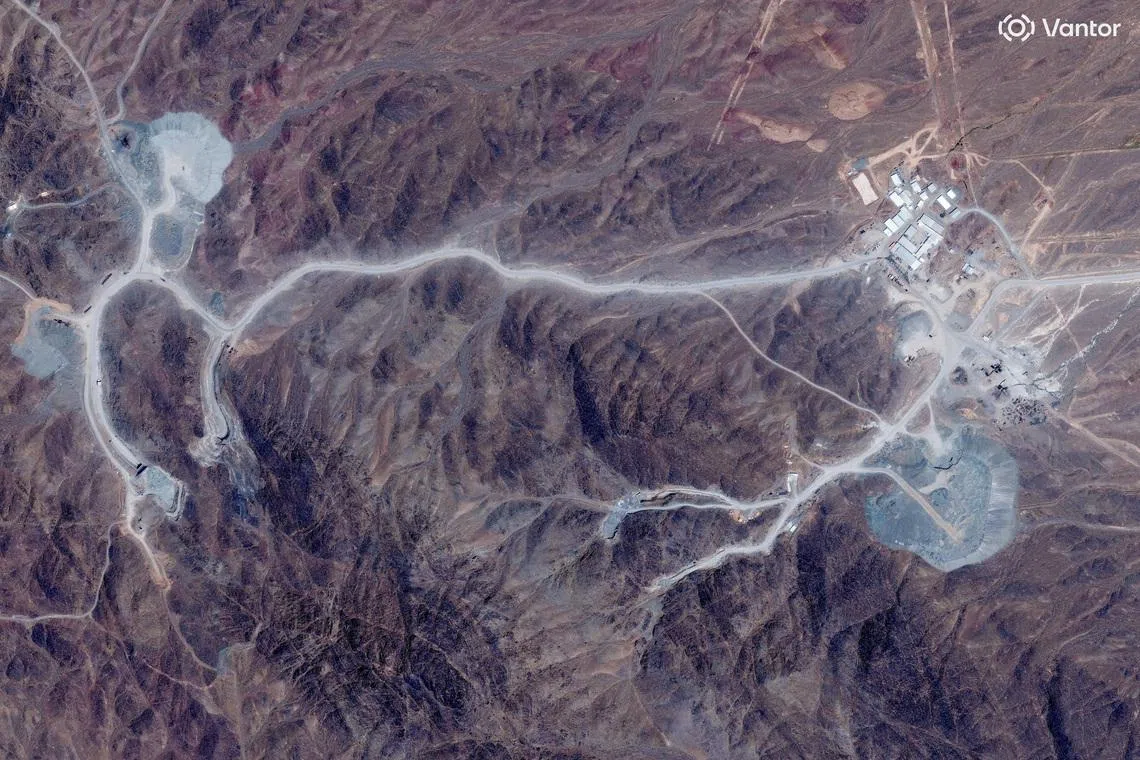
U.S. President Donald Trump has issued a threat to attack a facility identified as 'Pickaxe Mountain,' which is reportedly linked to Iran's nuclear program. This site is described as a fortified facility situated deep underground, located near one of Tehran's primary nuclear installations. The announcement of this potential military action comes amidst ongoing tensions surrounding Iran's nuclear activities. The specific nature of the threat and the potential consequences of an attack remain a significant point of international concern. The United States has previously expressed apprehension regarding Iran's nuclear advancements and has sought to curb them through various diplomatic and economic measures. The mention of 'Pickaxe Mountain' highlights the strategic importance and potentially clandestine nature of certain Iranian nuclear facilities. Further details regarding the exact capabilities of the site and the justification for the threat have not been fully disclosed.
The U.S. President's threat to strike an Iranian nuclear-linked site, referred to as 'Pickaxe Mountain,' introduces a significant escalation in geopolitical tensions. This action, if carried out, could have far-reaching implications for regional stability and international non-proliferation efforts. The strategic calculus behind such a threat likely involves a complex interplay of deterrence, signaling, and domestic political considerations. From a systemic perspective, the incident underscores the persistent challenges in managing nuclear proliferation in a multipolar world, where state sovereignty, security concerns, and international oversight mechanisms often collide. The long-term consequences of military intervention, including potential retaliation and further entrenchment of adversarial stances, warrant careful consideration against the perceived immediate benefits of disrupting nuclear programs. The global community faces the ongoing dilemma of balancing security imperatives with the risks of conflict, particularly in the context of advanced technological capabilities.
AI-generated to prompt reflection — not editorial opinion, not advice, not a statement of fact. How this works.