Trump Threatens EU Tariffs After Google Fined $1 Billion
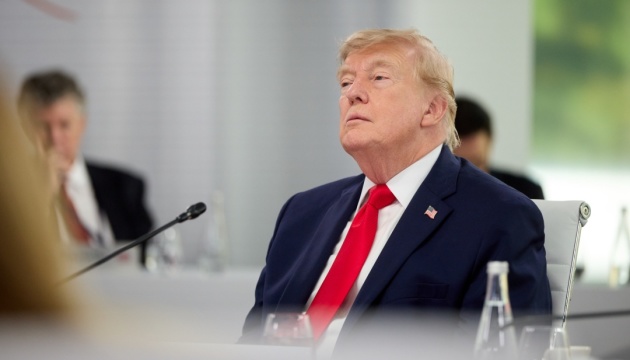
U.S. President Donald Trump has announced plans to impose significant tariffs on the European Union. This action follows the EU's decision to fine Google $1 billion for violating competition laws within digital markets. The announcement signals a potential escalation of trade tensions between the United States and the European bloc. The specific details of the proposed tariffs, including the targeted sectors or products, were not immediately disclosed by the White House. This move could impact various industries and international trade relations. The fine against Google pertains to its practices in digital markets, suggesting a broader regulatory push by the EU against major technology companies. The U.S. administration's response indicates a willingness to use trade policy as a retaliatory measure.
The U.S. president's threat of new tariffs on the European Union, in response to the EU's antitrust fine against Google, highlights the complex interplay between trade policy and regulatory enforcement in the digital age. This action could be interpreted as an attempt to leverage trade relations to influence or retaliate against the EU's independent regulatory decisions concerning global technology firms. Such a strategy may incentivize other nations to adopt similar retaliatory trade measures, potentially leading to broader trade disputes and fragmenting the global digital economy. The long-term implications involve assessing whether this approach fosters a more competitive digital landscape or inadvertently creates new barriers to international commerce and technological innovation.
AI-generated to prompt reflection — not editorial opinion, not advice, not a statement of fact. How this works.