Trump Threatens EU Tariffs Over Google Fine
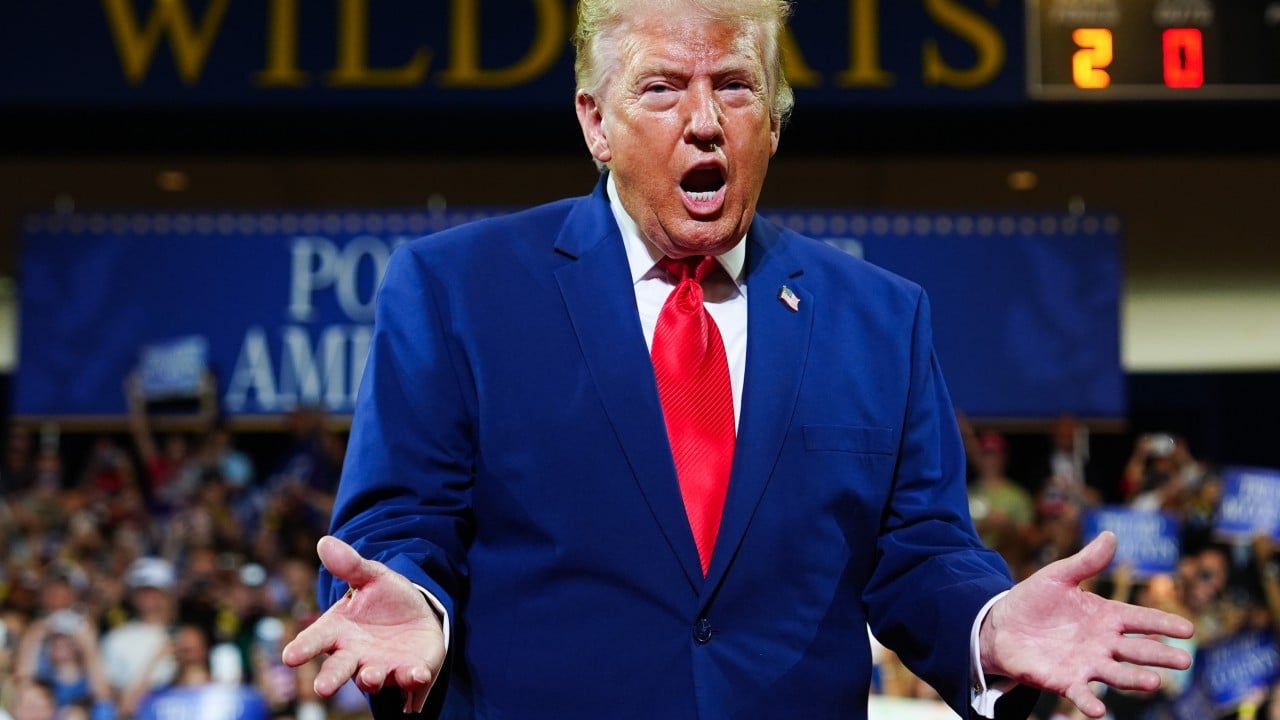
U.S. President Donald Trump announced on Friday his intention to impose new tariffs on European Union products. This retaliatory measure is in response to the EU's decision to fine Alphabet's Google US$1 billion (€890 million). Trump stated on social media that the United States would initiate a trade investigation into practices he described as "ROBBING" American companies and, consequently, American taxpayers. He further asserted that the penalties imposed by the EU would be entirely reversed. Trump anticipates that substantial tariffs will be placed on EU goods at the earliest opportunity.
This situation highlights the complex interplay between national trade policy, regulatory actions by supranational bodies, and the global operations of multinational technology firms. President Trump's threat of tariffs suggests a strategy of leveraging trade disputes to counter foreign regulatory penalties perceived as detrimental to U.S. economic interests. This approach could escalate trade tensions, potentially impacting global supply chains and consumer prices. The underlying issue involves differing national approaches to regulating digital markets, antitrust enforcement, and data privacy, which may become more pronounced as the digital economy evolves. Future considerations might include the development of international frameworks for digital governance to mitigate such cross-border regulatory conflicts and their economic ramifications.
AI-generated to prompt reflection — not editorial opinion, not advice, not a statement of fact. How this works.