Trump Threatens EU With Tariffs After Google Fine
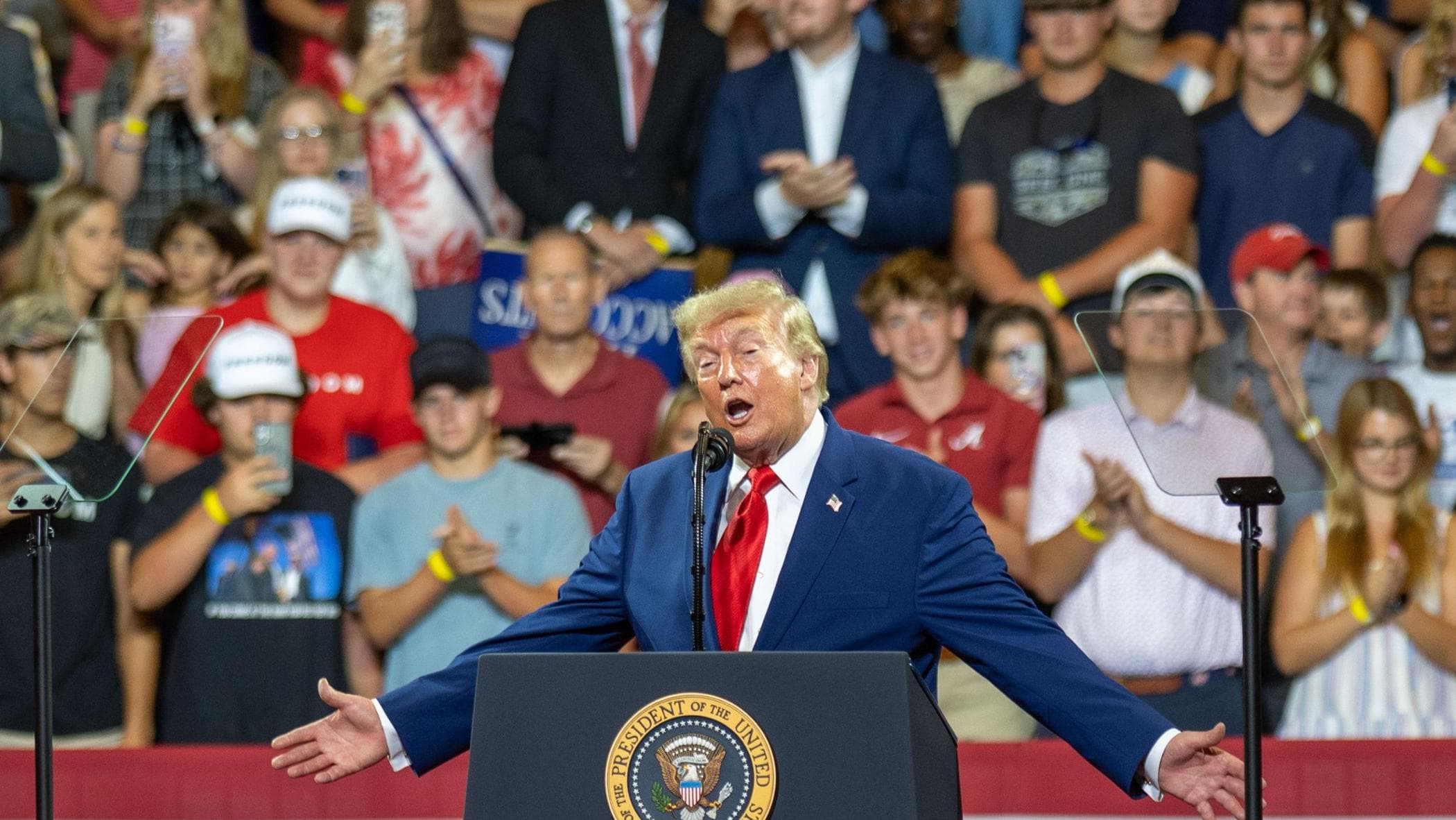
Following the European Union's imposition of a significant fine on Google, U.S. President Donald Trump has threatened to implement "heavy tariffs" on European goods. Trump stated that the EU would "pay a very high price" and claimed he had previously warned them about such potential consequences. The White House announced that these substantial customs duties would be imposed as soon as possible unless Brussels revokes its sanctions against big tech companies. This action signals a potential escalation of trade tensions between the United States and the European Union, directly linking the EU's regulatory actions against American technology firms to U.S. trade policy.
The U.S. administration's response to the EU's regulatory actions against American technology firms introduces a significant trade policy dimension. By threatening tariffs, the U.S. is leveraging its economic power to influence the EU's enforcement of its digital market regulations. This approach highlights a broader geopolitical tension over digital sovereignty and the extraterritorial application of national laws. The move could lead to retaliatory measures, potentially escalating into a wider trade dispute that impacts various sectors beyond technology, affecting global supply chains and consumer prices. It also raises questions about the future of international cooperation on digital governance and competition policy.
AI-generated to prompt reflection — not editorial opinion, not advice, not a statement of fact. How this works.