Trump Threatens Iran with Attacks on Power Plants and Bridges
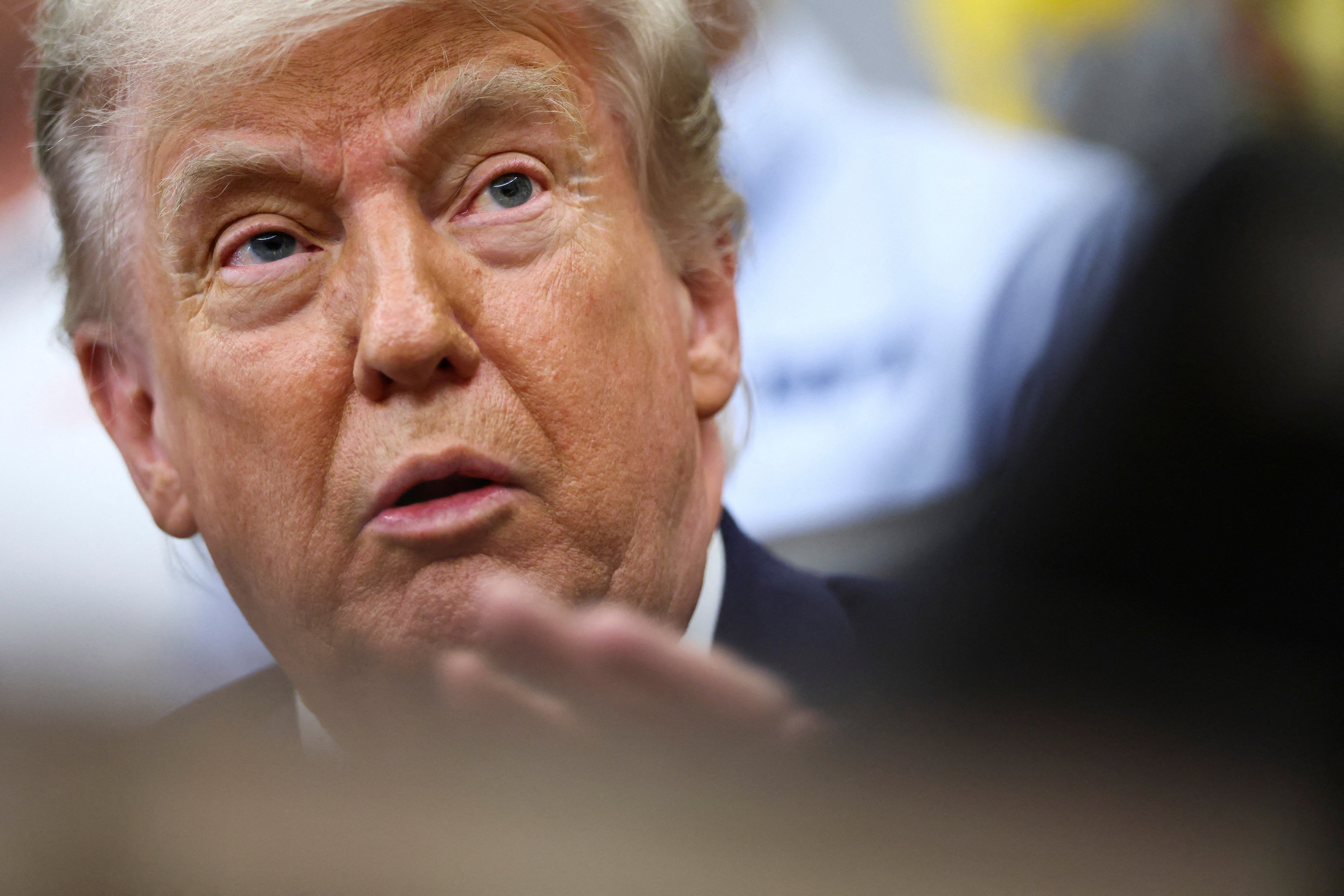
U.S. President Donald Trump announced on Tuesday, May 14th, that he intends to escalate attacks against Iran next week, specifically targeting power plants and bridges if Tehran does not agree to negotiate a new peace deal. Speaking to Fox News, Trump stated, "Next week, things are going to get very bad for them, because next week come the power plants. Next week come the bridges." He further threatened, "We will destroy all the power plants. We will destroy all the bridges, unless they come to the table and negotiate." Trump indicated that American attacks on Iran would continue as long as he deems it necessary, assessing that Iran "still has some fighting capability, but not much." He also mentioned that the U.S. had held discussions with Iranian officials earlier that day, reiterating pressure on Tehran to reach an agreement. This is not the first time Trump has threatened to attack Iran's power plants and bridges; similar statements were made in April before a ceasefire agreement was reached. At that time, experts warned that such attacks could violate international humanitarian law and constitute war crimes, as the Geneva Conventions prohibit deliberate attacks on civilian infrastructure unless it is being used for military purposes. These declarations followed a new round of U.S. military strikes on targets in southern Iran, preceding a naval blockade imposed by Washington on Iranian ports and coastal areas. The U.S. stated the operation aims to weaken Iranian military capabilities used in attacks on commercial shipping in the Strait of Hormuz. The strikes marked the fourth consecutive day of American offensives against Iran.
The U.S. president's rhetoric regarding potential attacks on Iranian civilian infrastructure like power plants and bridges, if not countered by a negotiated settlement, raises significant concerns under international law. Such threats, especially when juxtaposed with actual military actions, could be interpreted as coercive diplomacy, aiming to compel concessions through the explicit threat of widespread destruction. International humanitarian law, specifically the Geneva Conventions, strictly prohibits direct attacks on civilian objects unless they are being used for military purposes. The potential violation of these norms could have long-term implications for international relations and the established legal order. From a strategic perspective, targeting civilian infrastructure, even as a threat, risks severe escalation, potentially galvanizing opposition and undermining any prospects for stable, long-term peace. The effectiveness of such tactics in achieving lasting diplomatic outcomes, versus their capacity to provoke wider conflict and humanitarian crises, remains a critical consideration in the evolving geopolitical landscape.
AI-generated to prompt reflection — not editorial opinion, not advice, not a statement of fact. How this works.