Trump Threatens Iran with Infrastructure Attacks Over Strait of Hormuz Incidents
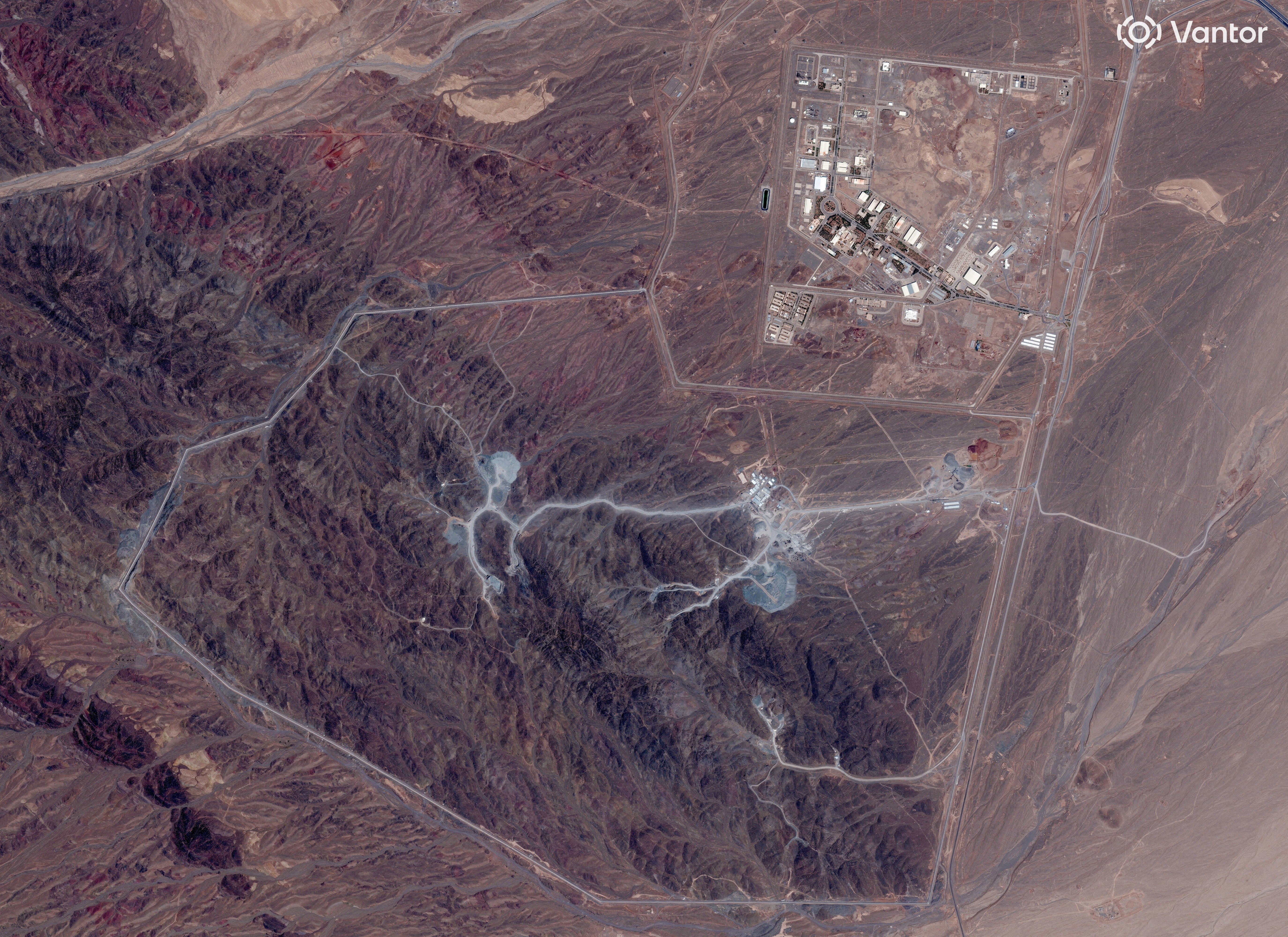
U.S. President Donald Trump has escalated threats against Iran, stating that the United States will retaliate against Iranian infrastructure if Tehran targets any vessels in the Strait of Hormuz. In a post on the Truth Social network on Wednesday, July 22nd, Trump declared that for every attack on a ship in the Strait, whether by missile, rocket, drone, or other means, the U.S. would bomb and destroy a bridge or power plant. These targets could be located near or within the capital city, Tehran. This statement follows previous threats made by Trump on Tuesday, July 21st, regarding an attack on "Pickaxe Mountain" in central Iran. This mountain is situated near the Natanz uranium enrichment facility, which has reportedly sustained significant damage. Experts suggest that two large tunnel complexes are excavated beneath Pickaxe Mountain, potentially housing crucial equipment for uranium enrichment, although the exact contents remain unconfirmed. Iran maintains that its nuclear program is exclusively for peaceful purposes, while highly enriched uranium can be used in nuclear weapons production. Trump had previously mentioned targeting "Pickaxe Mountain" in an interview on July 13th, urging Iranians to be prepared for a potential strike in the "relatively near future."
This exchange represents a significant escalation in U.S.-Iran tensions, employing a strategy of "maximum pressure" through the threat of direct kinetic action against critical civilian infrastructure. The stated intent to target bridges and power plants, rather than purely military assets, raises concerns about potential disproportionate impact and adherence to international humanitarian law principles. Such rhetoric may serve domestic political objectives by projecting strength, but it also increases the risk of miscalculation and unintended escalation, potentially drawing regional allies into conflict. The focus on Iran's nuclear program, juxtaposed with threats against civilian infrastructure, highlights a complex strategic calculus where economic sanctions, diplomatic isolation, and military posturing are employed in tandem, with the ultimate goal of compelling a change in Iran's regional behavior and nuclear ambitions. The long-term implications of such a confrontational stance could further destabilize the region and impact global energy markets.
AI-generated to prompt reflection — not editorial opinion, not advice, not a statement of fact. How this works.