Trump Threatens Iran with Infrastructure Destruction Over Shipping Attacks
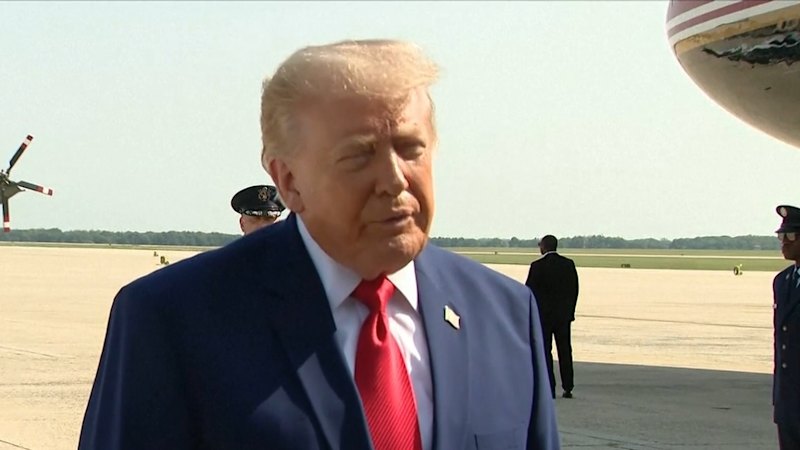
Former U.S. President Donald Trump has issued a new threat directed at Iran, stating that he would order the destruction of an Iranian bridge or power plant for every attack Iran launches against shipping in the Strait of Hormuz. This statement implies a significant escalation of rhetoric regarding maritime security and potential military responses in the crucial waterway. The threat suggests a direct link between Iranian actions against commercial vessels and a retaliatory strike against Iran's infrastructure. The Strait of Hormuz is a vital chokepoint for global oil transport, making any disruption there a matter of international concern. Trump's pronouncements often carry weight due to his past presidency and his continued influence within certain political circles. This latest threat could be interpreted as an attempt to deter Iran from further actions that could destabilize the region and impact global energy markets. The specific targets mentioned, bridges and power plants, indicate a strategy aimed at inflicting significant economic and societal damage within Iran.
This statement from Donald Trump introduces a direct, albeit conditional, threat of infrastructure destruction against Iran in response to attacks on shipping. From a strategic perspective, such a declaration aims to establish a clear deterrent by imposing a high cost on Iranian aggression. However, it also carries substantial risks. Escalating rhetoric to this level could provoke unintended consequences, potentially leading to miscalculation and further regional instability. The focus on infrastructure targets, while intended to be impactful, raises questions about proportionality and adherence to international norms in conflict. Such a policy, if enacted, would represent a significant departure from traditional diplomatic or military responses, potentially drawing international condemnation and complicating efforts to de-escalate tensions in a strategically vital region.
AI-generated to prompt reflection — not editorial opinion, not advice, not a statement of fact. How this works.