Trump Threatens Iran with Military Action Over Houthi Attacks on Oil Tankers
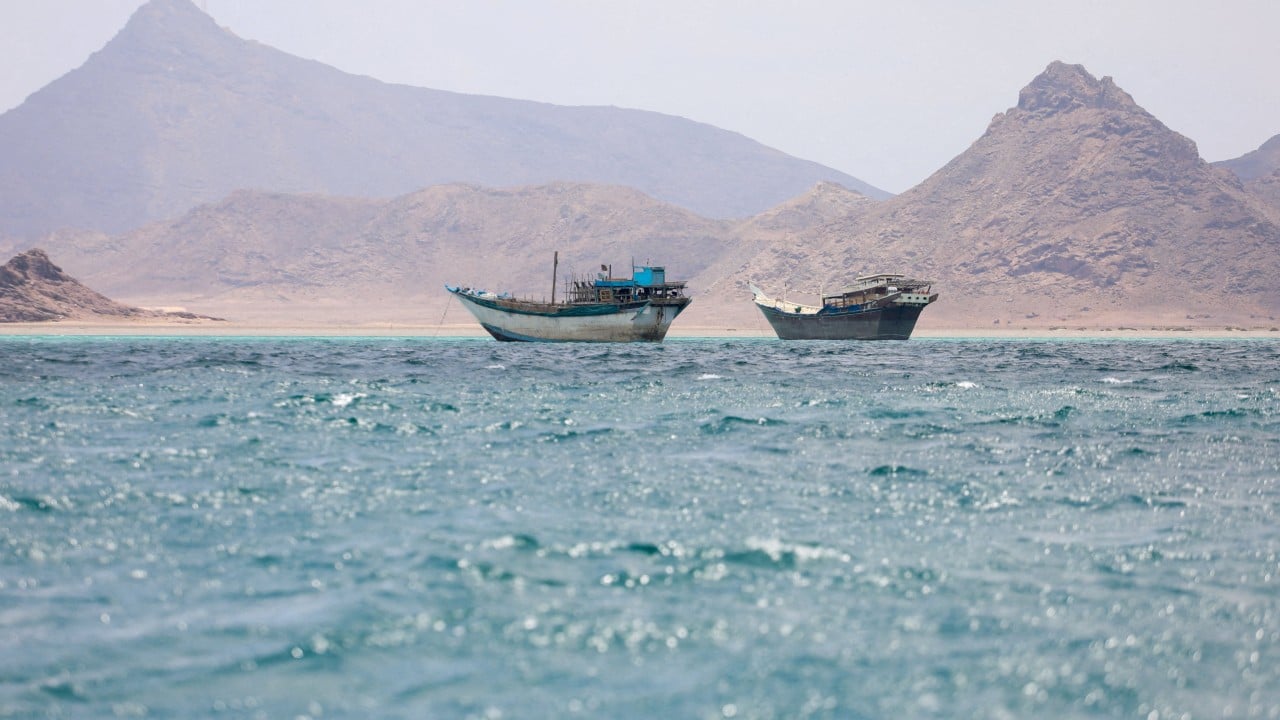
U.S. President Donald Trump declared on Thursday that Iran and its Houthi allies would face "major military punishment" following attacks on two Saudi oil tankers in the Red Sea. The Yemeni fighters' actions have extended the conflict in the Middle East to another critical shipping chokepoint. Concerns that the disruptions could escalate and potentially block additional sea routes caused global oil prices to surge significantly. Brent crude experienced one of the steepest price increases of the war, rising over 6 percent and surpassing $100 a barrel for the first time since May.
The escalating tensions in the Red Sea, triggered by Houthi attacks on oil tankers, highlight the fragility of global energy supply chains. The U.S. response, threatening military action against Iran and its allies, underscores the geopolitical risks inherent in the region. This situation presents a classic dilemma: balancing the imperative of maintaining freedom of navigation and energy security against the potential for wider conflict. The surge in oil prices reflects market anticipation of supply disruptions, emphasizing the interconnectedness of geopolitical stability and economic well-being. Future policy decisions will need to navigate these complex trade-offs, considering the long-term implications for regional stability and global energy markets in an increasingly volatile world.
AI-generated to prompt reflection — not editorial opinion, not advice, not a statement of fact. How this works.