Trump Threatens Iran with Severe Punishment Following Houthi Attacks
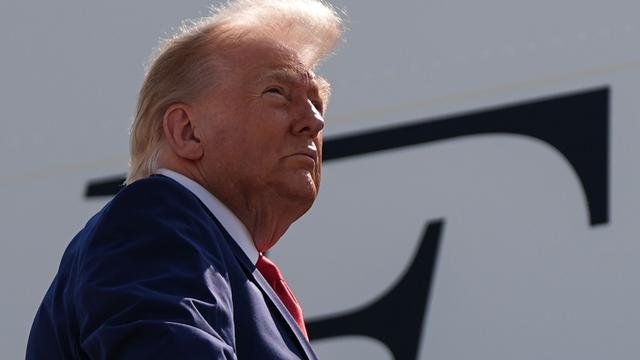
Former US President Donald Trump has issued a threat of "severe punishment" against Iran in response to recent attacks carried out by the Houthi rebels. Trump stated that if Iran is involved in these attacks, it will face significant consequences. The remarks were made in the context of ongoing geopolitical tensions in the Middle East, particularly concerning Iran's alleged support for various militant groups operating in the region. The Houthi movement, based in Yemen, has been increasingly active in launching attacks, including against shipping in the Red Sea, which has drawn international condemnation and military responses from several countries. Trump's statement suggests a potential escalation of rhetoric and possibly policy should he return to office, emphasizing a hardline stance against Iran and its proxies. The specific nature of the "severe punishment" was not detailed, but the language implies a strong military or economic response. This warning comes as the international community grapples with the complex web of alliances and conflicts involving Iran and its regional adversaries.
Donald Trump's rhetoric regarding Iran and Houthi actions reflects a transactional approach to foreign policy, prioritizing deterrence through the threat of overwhelming force. This strategy, while potentially effective in the short term for signaling resolve, risks escalating regional conflicts by framing complex geopolitical issues as binary confrontations. The underlying incentive structures driving Iran's regional posture, including its support for proxy groups, are multifaceted and deeply rooted in historical grievances and strategic calculations. A purely punitive response, without addressing these systemic factors, may lead to cycles of retaliation rather than lasting stability. Looking ahead, the AI era necessitates a more nuanced understanding of state and non-state actor behavior, where information warfare and asymmetric tactics are increasingly prevalent. Future policy frameworks will need to account for these evolving dynamics, moving beyond traditional deterrence models to incorporate elements of de-escalation, diplomatic engagement, and a comprehensive analysis of the root causes of conflict.
AI-generated to prompt reflection — not editorial opinion, not advice, not a statement of fact. How this works.