Trump Threatens Iran with Strikes on Infrastructure Over Gulf Attacks
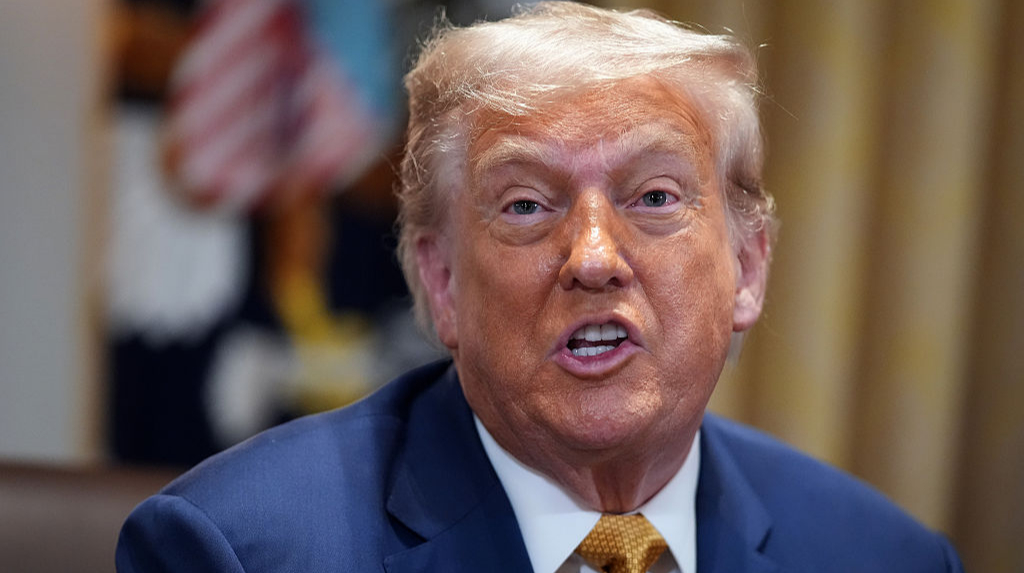
U.S. President Donald Trump has declared that American military forces would target Iran's bridges and power plants. This threat comes as a retaliatory measure in response to potential attacks on vessels in the Strait of Hormuz. The statement indicates a significant escalation in rhetoric and potential military action between the two nations. The specific nature of the Iranian actions that would trigger such a response was not detailed, but the implication is a direct threat to Iranian civilian infrastructure. This stance highlights the volatile geopolitical situation in the Persian Gulf region. The U.S. has previously expressed concerns over Iran's activities in the Strait of Hormuz, a critical chokepoint for global oil transport. Trump's statement suggests a willingness to employ severe measures if perceived threats are carried out. The international community will likely monitor this situation closely for further developments and potential de-escalation efforts.
This assertion by President Trump signals a potential shift towards a more aggressive posture in U.S.-Iran relations, framing potential military responses in terms of infrastructure targets. Such a strategy, if enacted, could have profound implications for regional stability and global energy markets, given the Strait of Hormuz's strategic importance. The effectiveness and legality of targeting civilian infrastructure as a retaliatory measure are complex issues, often subject to international law and humanitarian considerations. The long-term consequences of such actions could involve cycles of escalation, impacting diplomatic pathways and fostering further geopolitical instability in the Middle East. Future U.S. policy in the region may need to balance deterrence with the avoidance of actions that could lead to widespread humanitarian crises or prolonged conflict, especially in the context of evolving global power dynamics and the increasing interconnectedness of economies.
AI-generated to prompt reflection — not editorial opinion, not advice, not a statement of fact. How this works.