Trump Threatens Iran with 'Total Annihilation' Amidst Retaliation Fears
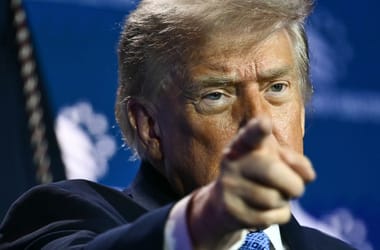
Former U.S. President Donald Trump issued a stark warning on Friday night, threatening Iran with "total annihilation" should Tehran attempt to assassinate the American president. This statement comes in response to unconfirmed reports suggesting potential assassination plots against him originating from Iran. Trump's declaration underscores the heightened tensions between the United States and Iran, particularly following past escalations and diplomatic standoffs. The former president's rhetoric is often characterized by strong, direct language, and this latest threat is consistent with his previous public statements regarding adversaries. The specific nature of the alleged assassination plot has not been detailed, nor has the source of these reports been disclosed. This incident highlights the volatile geopolitical landscape and the potential for severe repercussions stemming from perceived threats or actions between nations. The international community often closely monitors such exchanges, as they can significantly impact regional stability and global security dynamics. Trump's post signifies a continuation of his assertive foreign policy stance, even after leaving office, emphasizing a policy of deterrence through the threat of overwhelming force.
Former President Trump's public threat of "total annihilation" against Iran, framed as a response to alleged assassination plots, reflects a strategic communication approach centered on deterrence through extreme rhetoric. This stance, while potentially aimed at projecting strength and discouraging hostile actions, carries significant geopolitical risks. Such pronouncements can escalate tensions, inflame nationalist sentiments, and complicate diplomatic efforts, potentially leading to unintended consequences or miscalculations by adversaries. From a systems perspective, the reliance on overt threats as a primary foreign policy tool, rather than engaging in nuanced diplomacy or multilateral security frameworks, may prove unsustainable in the long term. The effectiveness of such aggressive posturing in preventing future conflict, especially in a complex region with deeply entrenched historical grievances, remains a critical question for future international relations.
AI-generated to prompt reflection — not editorial opinion, not advice, not a statement of fact. How this works.