Trump Threatens Major Iran Attack, Cites Oil Interests
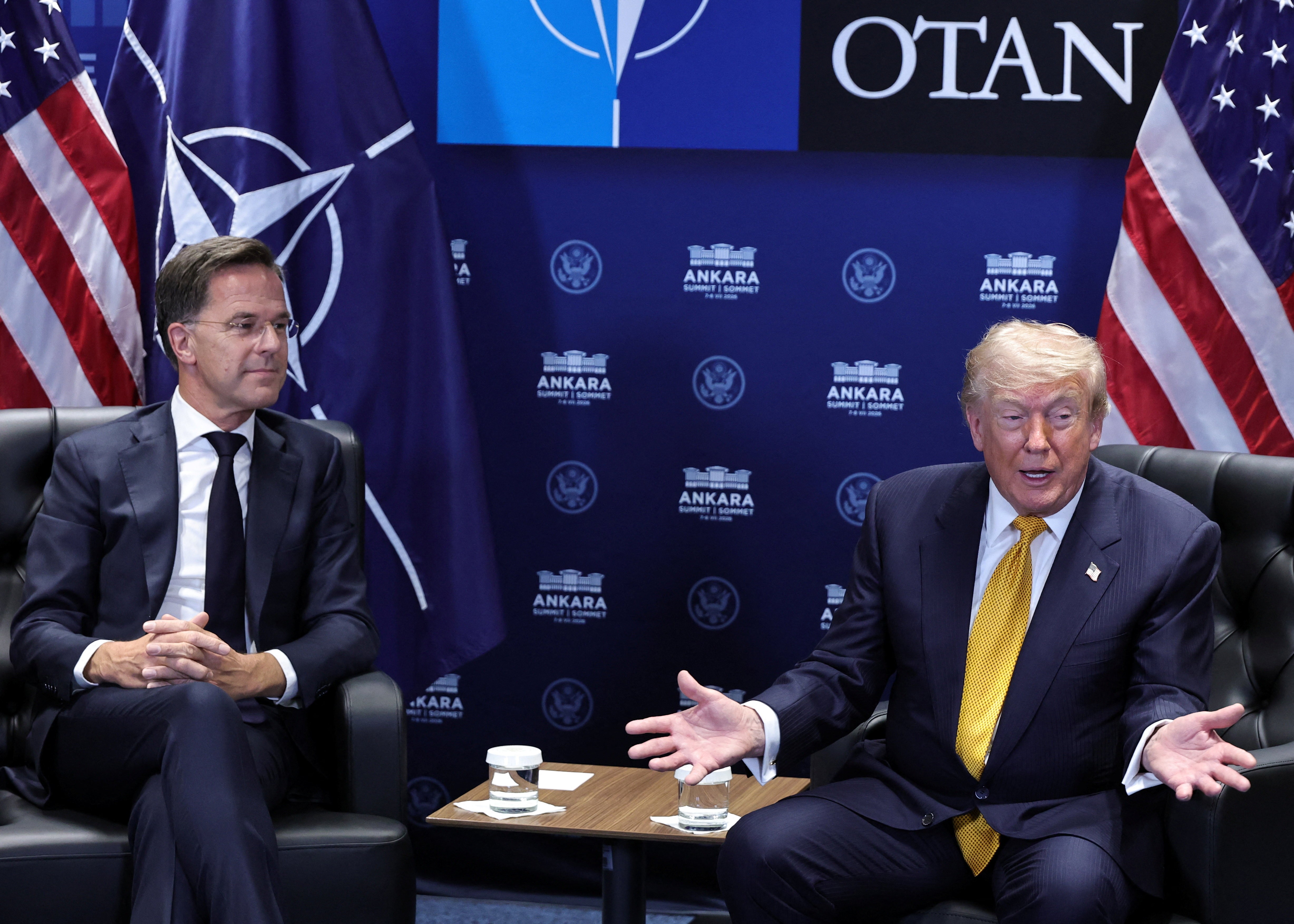
U.S. President Donald Trump announced on Wednesday, July 8, 2026, that a "major attack" against Iran was planned for that evening, preceding a NATO summit. Trump initially declared a peace agreement with Tehran "over" and ruled out further dialogue, but later softened his stance, expressing uncertainty about the agreement's future. He condemned Iran for allegedly sinking 28 vessels on Tuesday, July 7. Trump stated, "We're going to attack them hard tonight," and indicated that while power and water systems could be targeted, the U.S. preferred not to resort to such measures. Amidst escalating tensions and a resumption of retaliatory attacks, Trump mentioned the potential for the U.S. to reinstate its blockade of the Strait of Hormuz. NATO allies agreed to deploy mine-clearing vessels to ensure the route's freedom. Trump revealed that U.S. forces attacked Iran's Kharg Island, a hub for approximately 90% of Iranian oil exports, on Tuesday. However, he issued a directive to avoid damaging oil reserves, stating, "We attacked Kharg Island yesterday, and I said, 'Don't touch the oil,' because we might take the island and there's nothing they can do about it." The U.S. launched an offensive against Iran in response to attacks on commercial ships in the Strait of Hormuz, following a preliminary peace agreement signed in June. Iran deemed the U.S. strikes a "clear violation" of the peace accord and launched retaliatory attacks on U.S. military bases in Bahrain and Kuwait early Wednesday. Bahrain hosts the U.S. Navy's 5th Fleet, while Kuwait serves as the U.S. Army's regional headquarters.
The exchange between the U.S. and Iran, occurring amidst a NATO summit, highlights the volatile geopolitical dynamics surrounding critical energy infrastructure. President Trump's public pronouncements, oscillating between threats of significant military action and specific directives concerning oil assets, reveal a complex strategic calculus. The U.S. appears to be leveraging its military capabilities to influence regional stability and secure energy transit routes, while simultaneously attempting to manage escalation. Iran's retaliatory actions against U.S. bases in neighboring countries demonstrate its capacity to project force and its adherence to reciprocal defense principles. This situation underscores the inherent risks of asymmetric conflict in vital international waterways, where economic interests and national security objectives are deeply intertwined. The long-term implications for global energy markets and regional power balances remain a significant consideration as these tensions unfold.
AI-generated to prompt reflection — not editorial opinion, not advice, not a statement of fact. How this works.