Trump Threatens Most Dangerous Attack on Iran Amidst Strait of Hormuz Tensions
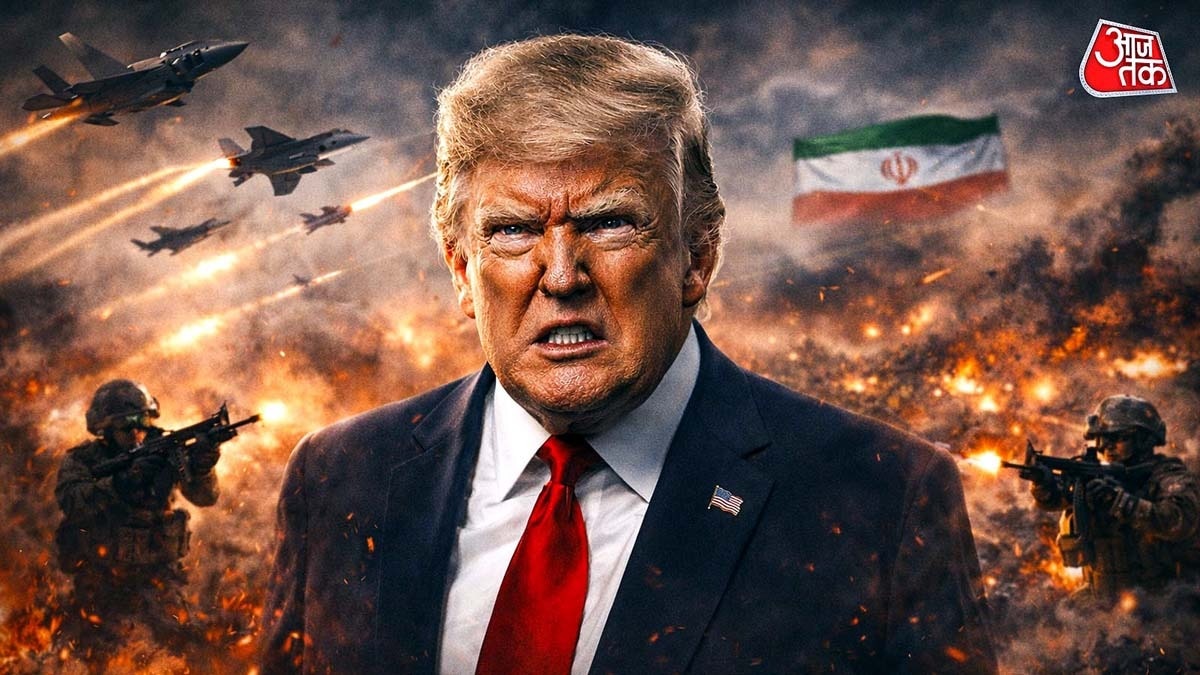
Tensions in the Middle East are escalating, with President Trump issuing a severe threat of a "most dangerous" attack against Iran. The heightened conflict is centered around the Strait of Hormuz, a crucial waterway for global oil transport. This strategic chokepoint is experiencing peak tensions, raising concerns about a potential deepening of the global oil crisis. The situation suggests a significant increase in the risk of military confrontation in the region. The implications for international energy markets are substantial, as any disruption in the Strait of Hormuz could lead to widespread economic instability. The rhetoric from the White House indicates a readiness for aggressive action, further heightening anxieties among international observers and regional powers.
The heightened rhetoric surrounding the Strait of Hormuz signifies a critical juncture in geopolitical energy security. The potential for conflict in this vital maritime chokepoint carries significant global economic ramifications, particularly for oil supply chains. Examining the incentive structures for all involved parties is crucial to understanding the dynamics of de-escalation or further confrontation. The long-term implications of such tensions, viewed through the lens of evolving global energy policies and the increasing importance of secure trade routes in the coming decade, warrant careful consideration of diplomatic and economic strategies to mitigate systemic risks.
AI-generated to prompt reflection — not editorial opinion, not advice, not a statement of fact. How this works.