Trump Threatens Retaliation After US Thwarts Iran Attack
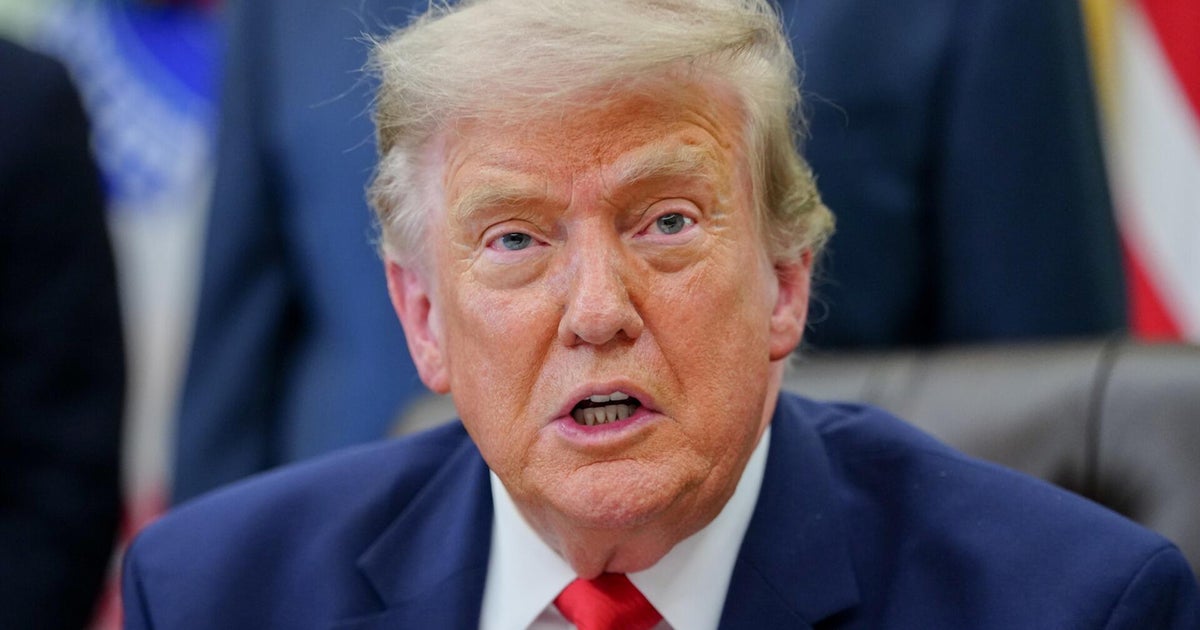
President Donald Trump has declared that the United States will retaliate forcefully against Iran following the successful thwarting of a surprise attack. The intended target of the Iranian operation was U.S. forces stationed in the Middle East. Trump issued his threat on Wednesday, indicating a strong U.S. response to the foiled plot. The specifics of the thwarted attack and the intelligence that led to its interception were not detailed. This development escalates tensions between the U.S. and Iran, adding another layer to their complex geopolitical relationship. The White House has been briefed on the situation, and the President's statement suggests a readiness to employ military or other means to counter perceived threats from Iran. Further details are expected to emerge as the situation develops.
The U.S. administration's announcement of thwarting an Iranian attack and President Trump's subsequent vow of retaliation highlight the ongoing strategic competition in the Middle East. Such actions and pronouncements can be analyzed through the lens of deterrence theory and power projection. The framing of the event as a 'surprise attack' suggests an intelligence success for the U.S., while the threat of 'hitting Iran very hard' serves as a signal to both domestic and international audiences regarding U.S. resolve. Future U.S. policy will likely be shaped by assessments of Iranian capabilities and intentions, alongside domestic political considerations. The interplay between perceived threats and retaliatory postures can create cycles of escalation, underscoring the importance of de-escalation mechanisms and clear communication channels in managing interstate tensions.
AI-generated to prompt reflection — not editorial opinion, not advice, not a statement of fact. How this works.