Trump Threatens Strikes on Iran's Bridges and Power Plants
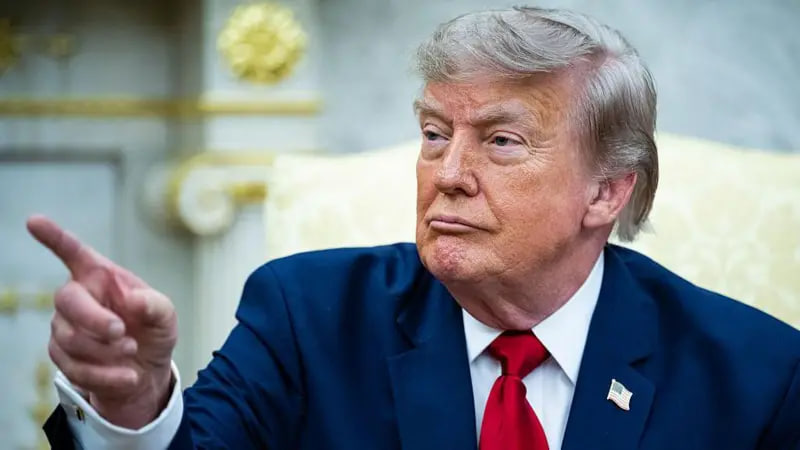
U.S. President Donald Trump has threatened to strike Iran's bridges and power plants as early as next week. This threat comes with the condition that Tehran must return to the negotiating table. The statement indicates a potential escalation of tensions if diplomatic efforts do not resume. The specific targets mentioned are critical infrastructure, suggesting a strategy aimed at exerting significant pressure on the Iranian government. The timeframe provided, "next week," implies an imminent possibility of military action. The President's ultimatum highlights a demand for renewed dialogue to de-escalate the situation. Failure to comply could lead to direct attacks on key Iranian assets.
The stated threat by President Trump to target Iranian infrastructure represents a significant escalation in rhetoric, potentially employing economic and strategic leverage. By specifying infrastructure like bridges and power plants, the U.S. may be signaling a strategy to disrupt Iran's logistical capabilities and economic stability without necessarily aiming for immediate regime change. This approach could be analyzed through the lens of coercive diplomacy, where the threat of severe consequences is used to compel a desired political outcome—in this case, a return to negotiations. The effectiveness and implications of such a strategy depend on Iran's response, regional dynamics, and international reactions, all of which will shape the geopolitical landscape over the coming decade. The long-term consequences of targeting critical infrastructure could include humanitarian concerns and further regional instability, prompting careful consideration of alternative de-escalation pathways.
AI-generated to prompt reflection — not editorial opinion, not advice, not a statement of fact. How this works.