Trump Threatens Tariffs on Canada Over Wildfire Smoke Impacting US Air Quality
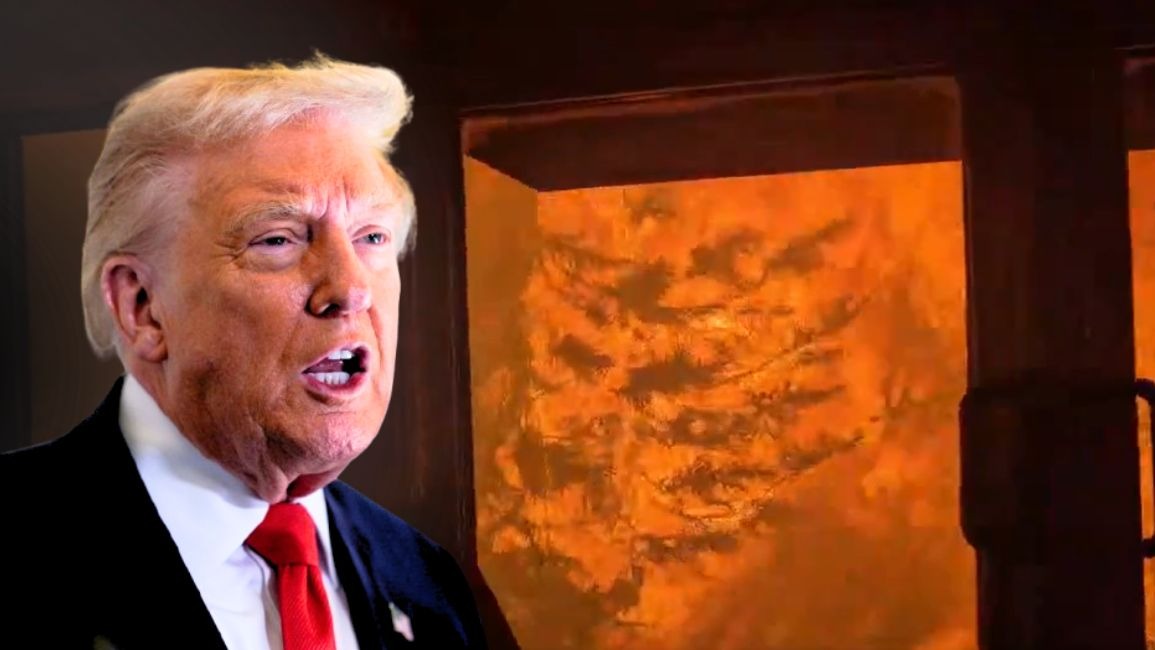
Wildfire smoke originating from Canada has significantly degraded air quality in numerous American cities, leading to hazardous conditions. U.S. President Donald Trump has publicly blamed Canada for the situation, citing negligence in managing its wildfires. Consequently, Trump has warned that Canada will face financial repercussions in the form of tariffs. This action suggests a potential trade dispute stemming from environmental issues and cross-border pollution. The U.S. administration views Canada's handling of the fires as a failure that has directly harmed American citizens and infrastructure. The threat of tariffs indicates a willingness to leverage economic pressure to address environmental concerns. Further details on the specific tariffs or the timeline for their implementation have not yet been released.
This situation highlights the complex interdependencies between national environmental management and cross-border impacts. The U.S. administration's response, leveraging trade policy in response to an environmental externality, reflects a strategy of holding sovereign nations accountable for transboundary pollution. This approach could set a precedent for future international environmental disputes, potentially increasing the use of economic tools to enforce environmental standards. It also raises questions about the effectiveness and fairness of using tariffs as a primary mechanism for addressing climate-related events, considering the diffuse nature of wildfire causes and the shared atmospheric commons. The long-term implications may involve re-evaluating international agreements on environmental cooperation and disaster response.
AI-generated to prompt reflection — not editorial opinion, not advice, not a statement of fact. How this works.