Trump Threatens Tariffs Over Canadian Wildfire Smoke Impacting US Air Quality
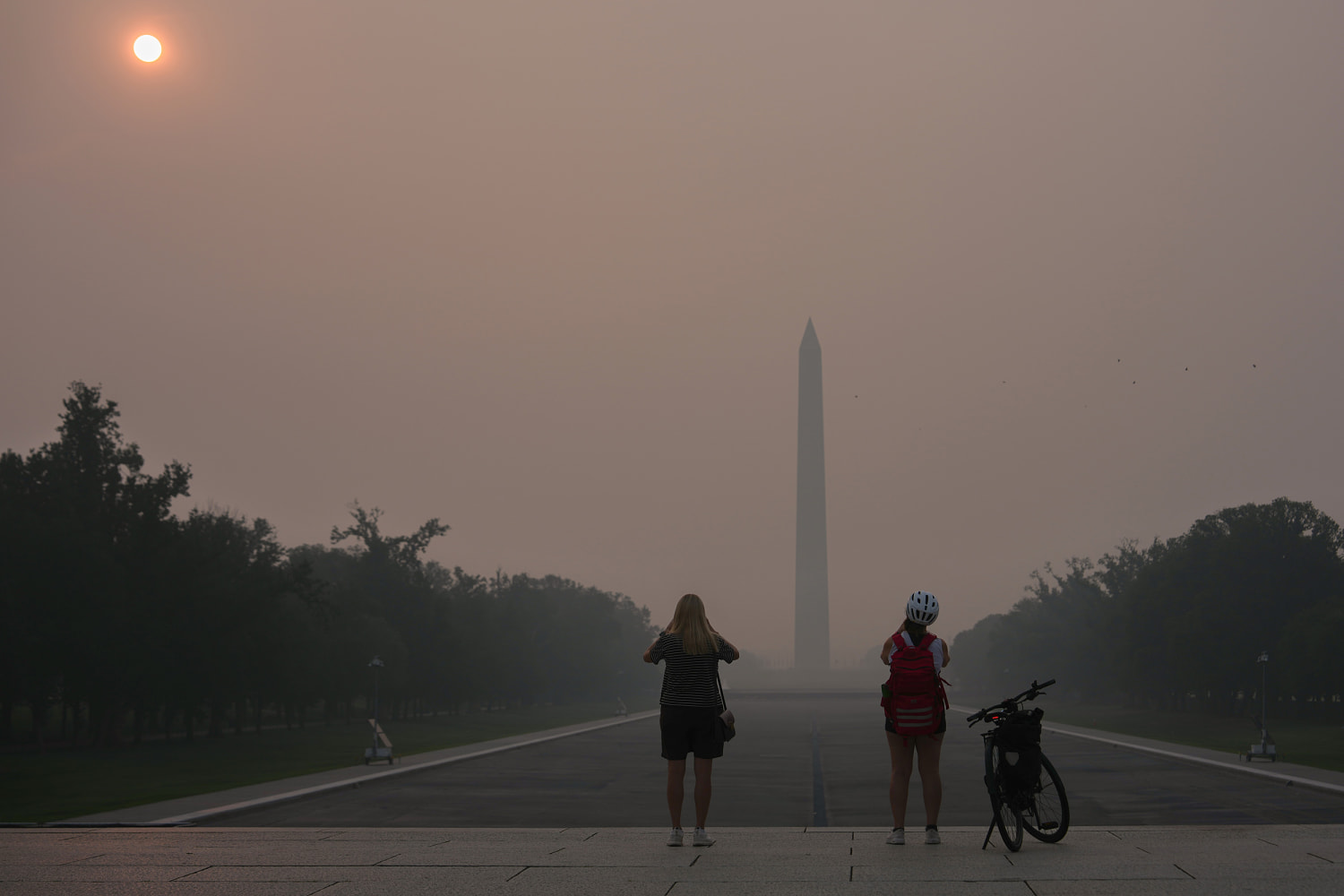
President Donald Trump has stated that Canada will be held responsible for the costs incurred due to the unhealthy air quality in the United States. This air quality issue stems from the smoke originating from ongoing wildfires in Canada. Trump made this pledge on Friday, indicating a strong stance on the cross-border environmental impact of the fires. The U.S. president's statement suggests a potential for retaliatory economic measures, specifically mentioning the possibility of imposing tariffs on Canada. This move highlights the significant transboundary effects of the Canadian wildfires and the U.S. administration's response to perceived negative consequences.
This event highlights the complex interplay between environmental events and international relations. The U.S. administration's response, framing the situation as a cost to be recovered from Canada, suggests a potential shift in how cross-border environmental externalities are managed. Rather than solely focusing on collaborative mitigation efforts, the threat of tariffs introduces an economic leverage dynamic. This approach could set a precedent for future environmental challenges, potentially encouraging more bilateral negotiations or, conversely, escalating trade disputes. The long-term implications may involve re-evaluating international agreements on disaster response and environmental protection in the context of climate change-induced events.
AI-generated to prompt reflection — not editorial opinion, not advice, not a statement of fact. How this works.