Trump Threatens to Abandon NATO Allies Over Lack of Support
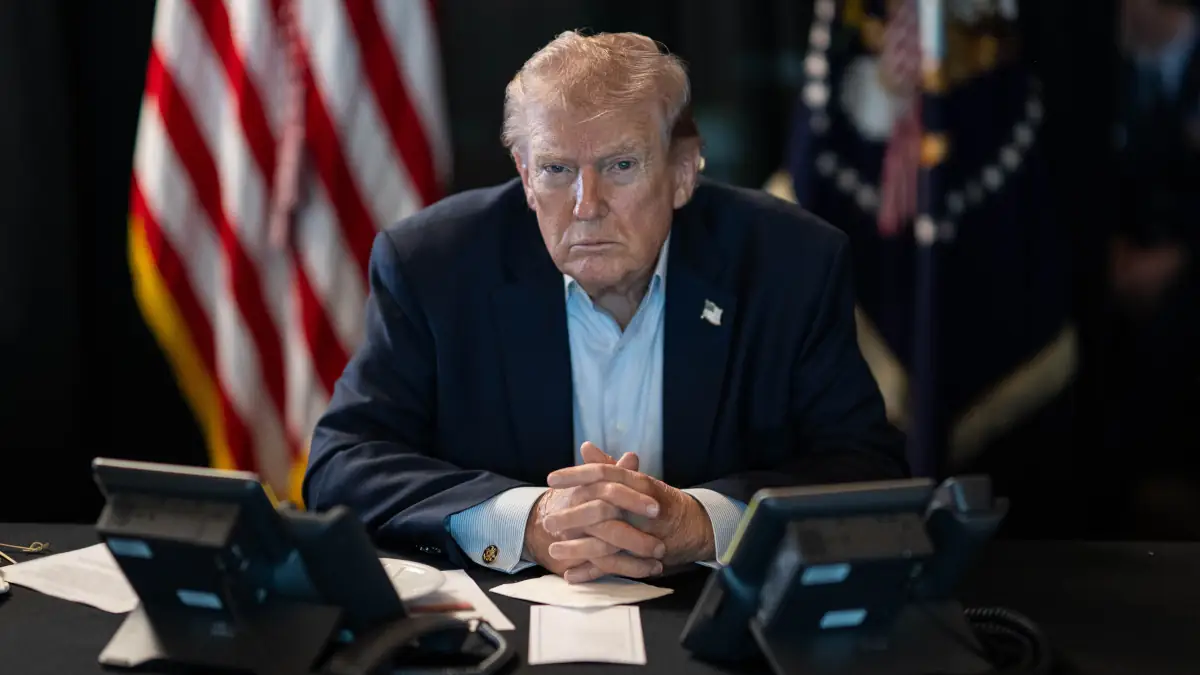
U.S. President Donald Trump stated on Monday, June 22nd, that he might refuse to provide U.S. assistance to certain member countries of the North Atlantic Treaty Organization (NATO). Speaking to reporters in the Oval Office in Washington, he explained that this stance is due to the lack of support from several allies for an unspecified operation. Trump's comments suggest a potential shift in U.S. commitment to the alliance, contingent on the perceived contributions of other member states. The context of this statement appears to be related to ongoing international relations and defense commitments within the NATO framework. The President's remarks indicate a transactional approach to alliances, emphasizing reciprocal support.
President Trump's remarks highlight a recurring tension within NATO regarding burden-sharing and the perceived value of mutual defense commitments. This transactional framing, emphasizing direct quid pro quo, contrasts with the alliance's foundational principle of collective security, which is inherently long-term and based on shared strategic interests. The potential for the U.S. to unilaterally alter its commitments based on immediate operational support could introduce significant strategic uncertainty, potentially weakening the alliance's deterrence posture. Future geopolitical dynamics, particularly concerning evolving global threats and the economic sustainability of defense spending, will likely test the resilience of such alliance structures. The long-term implications for global stability depend on whether alliances can adapt to balance collective security principles with the evolving demands of national interests and operational efficacy.
AI-generated to prompt reflection — not editorial opinion, not advice, not a statement of fact. How this works.