Trump Threatens to Attack Iran's Pickaxe Mountain Nuclear Site
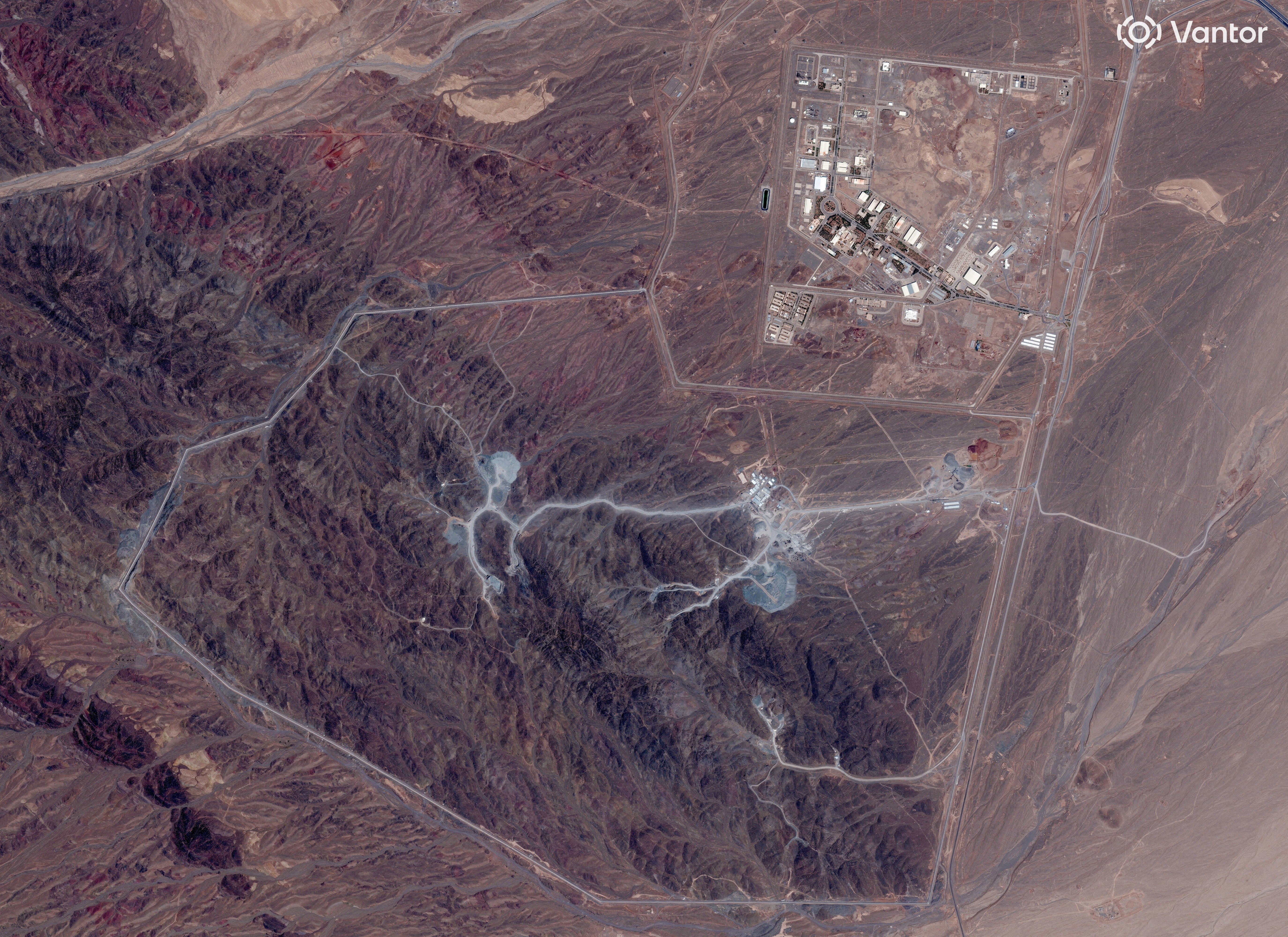
Former U.S. President Donald Trump has stated his intention to attack Iran's "Pickaxe Mountain," a site he claims the U.S. is closely monitoring. Speaking on a conservative radio show, Trump declared that Iranians should "be prepared" for a potential strike in the "relatively near future." This mountain is central to Iran's nuclear program, housing the Natanz uranium enrichment facility, one of the country's most significant nuclear installations. The area, located approximately 300 kilometers south of Tehran, is heavily protected by the Iranian government and features underground facilities designed to withstand bombardment. Reports indicate that the region has recently been targeted by Israel and the United States, though the extent of any damage remains unclear. Experts suggest that two large tunnel complexes are excavated beneath the mountain, suspected to contain essential equipment for uranium enrichment. Highly enriched uranium can be utilized in nuclear weapons, although Iran maintains its nuclear program is for peaceful purposes only. To reach these hidden installations, specialized bunker-busting bombs, capable of penetrating the ground before detonation, would be necessary. The U.S. reportedly employed such munitions in a March operation against the region, though official confirmation and details on the weaponry used are absent. The primary U.S. weapon for subterranean targets is the GBU-57 Massive Ordnance Penetrator (MOP), a 14-ton bomb designed to pierce soil, concrete, and rock to destroy deeply buried facilities. While the MOP is conventionally armed, experts caution that an attack on nuclear facilities could release radioactive material. Despite the MOP's destructive power, some specialists believe the tunnels under Pickaxe Mountain may be constructed deep enough to resist even this formidable weapon.
The stated U.S. intention to attack Iran's "Pickaxe Mountain" nuclear facility highlights the persistent geopolitical tensions surrounding nuclear proliferation and regional security. The potential use of advanced bunker-busting munitions like the GBU-57 MOP underscores the escalating military capabilities being developed and considered for use against deeply fortified sites. This situation raises critical questions about deterrence, the effectiveness of conventional weapons against hardened underground infrastructure, and the potential for unintended escalation, including the risk of radioactive material release. The strategic calculus involves balancing the perceived threat of Iran's nuclear program against the significant risks of military action, including regional destabilization and the potential for retaliatory responses. Future developments will likely hinge on diplomatic efforts, the efficacy of international monitoring, and the evolving threat assessments by global powers.
AI-generated to prompt reflection — not editorial opinion, not advice, not a statement of fact. How this works.