Trump Threatens to Revoke Licenses of Networks Not Airing His Speech
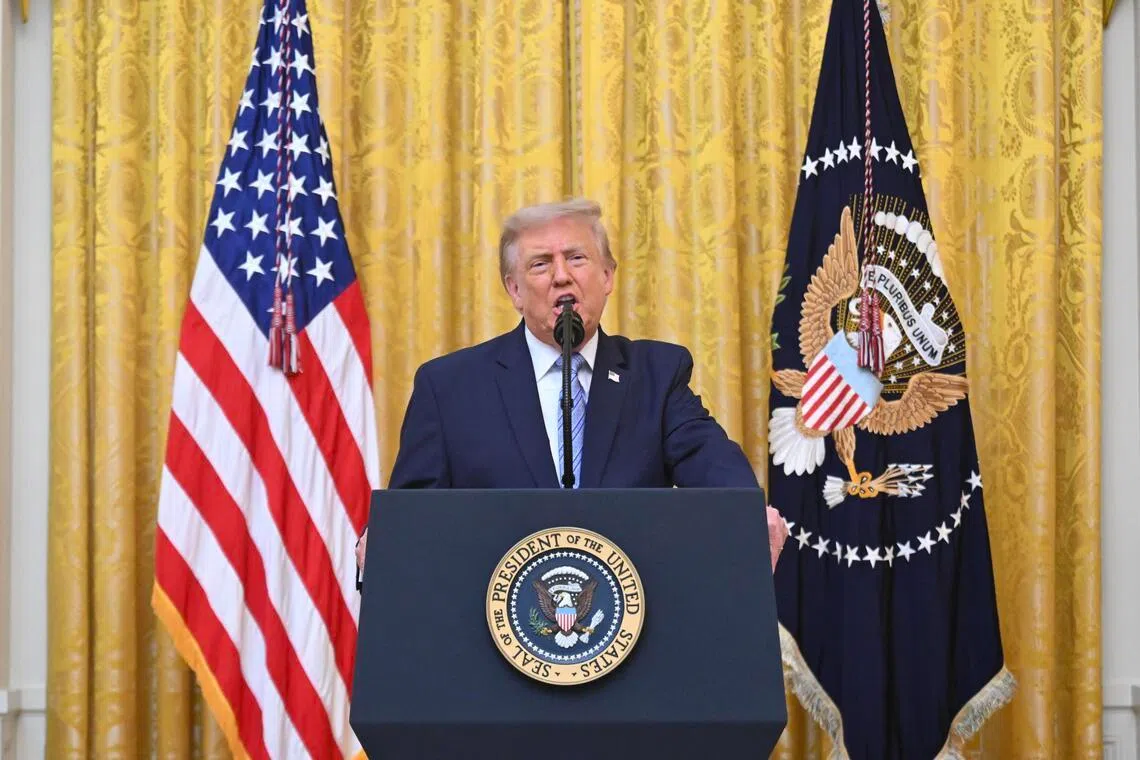
President Donald Trump has threatened to revoke the broadcast licenses of U.S. television networks that did not air his primetime speech. Trump stated that networks failing to carry his address were participating in a "plot." This action suggests a potential move to leverage regulatory power against media outlets perceived as unfavorable. The president's remarks indicate a growing tension between his administration and certain news organizations. The specific networks targeted and the legal basis for revoking licenses were not detailed in the statement. This development raises questions about freedom of the press and the executive branch's relationship with media coverage.
The President's threat to revoke broadcast licenses represents a significant challenge to media independence. Such actions could be interpreted as an attempt to exert governmental control over news dissemination, potentially chilling free speech and journalistic inquiry. The incentive structure for media outlets often involves balancing audience engagement with regulatory compliance. When these incentives are perceived to be threatened by executive action, it can lead to a complex dynamic where networks may feel pressured to align coverage with governmental preferences. This situation highlights the ongoing tension between political power and the role of a free press in a democratic society, particularly in the context of an increasingly polarized media landscape. Future implications may involve legal challenges and a re-evaluation of media ownership regulations.
AI-generated to prompt reflection — not editorial opinion, not advice, not a statement of fact. How this works.