Trump Threatens 'Total Destruction' of Iran if Assassination Attempt Occurs
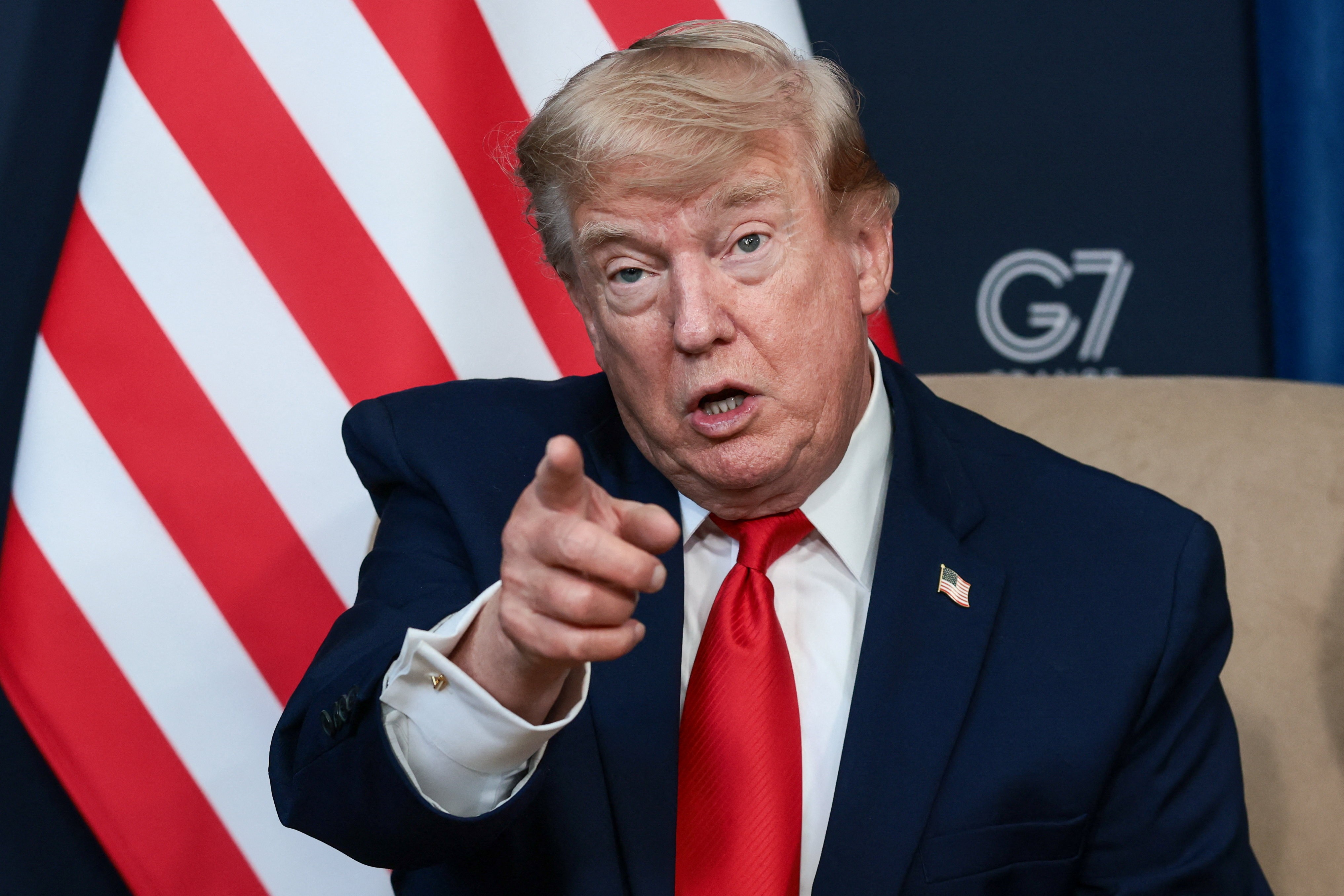
U.S. President Donald Trump declared on Saturday, January 11th, that American military forces are prepared for a large-scale attack on Iran should the Iranian government attempt to assassinate him. In a social media post, Trump stated that "a thousand missiles are ready and loaded" to target the Islamic Republic of Iran, with "thousands" more available for immediate launch if Iran follows through on threats to kill the sitting U.S. president. He indicated that orders have been issued for the U.S. Armed Forces to be ready to "decimate and totally destroy all areas of Iran" for a year, with potential for extension. This statement follows days after Iranian government supporters chanted slogans calling for Trump's death during the funeral of Ayatollah Ali Khamenei. Earlier, on Thursday, January 9th, The Wall Street Journal reported that Israel had shared new intelligence with the U.S., suggesting an Iranian plan to assassinate Trump. Iran has long vowed retaliation for the January 2020 U.S. drone strike that killed General Qassem Soleimani, commander of the Iranian Revolutionary Guard. U.S. officials have previously made accusations regarding alleged Iranian plots to assassinate Trump, claims that Iran denies.
This situation highlights the volatile geopolitical dynamics between the U.S. and Iran, characterized by a cycle of retaliatory threats and counter-threats stemming from past actions, such as the killing of General Qassem Soleimani. Trump's public pronouncements, framed as deterrence, leverage the immense destructive capacity of the U.S. military. However, such escalatory rhetoric, particularly when issued via social media, risks misinterpretation and unintended escalation, potentially triggering a security dilemma where defensive actions are perceived as offensive. The underlying tension is the strategic competition for regional influence and the management of perceived existential threats, with both nations navigating domestic political pressures and international scrutiny. The long-term implications involve the potential for miscalculation in an already unstable region, impacting global energy markets and broader international relations.
AI-generated to prompt reflection — not editorial opinion, not advice, not a statement of fact. How this works.