Trump to Address Nation on Election Security, Citing Electronic Voting Machine Vulnerabilities
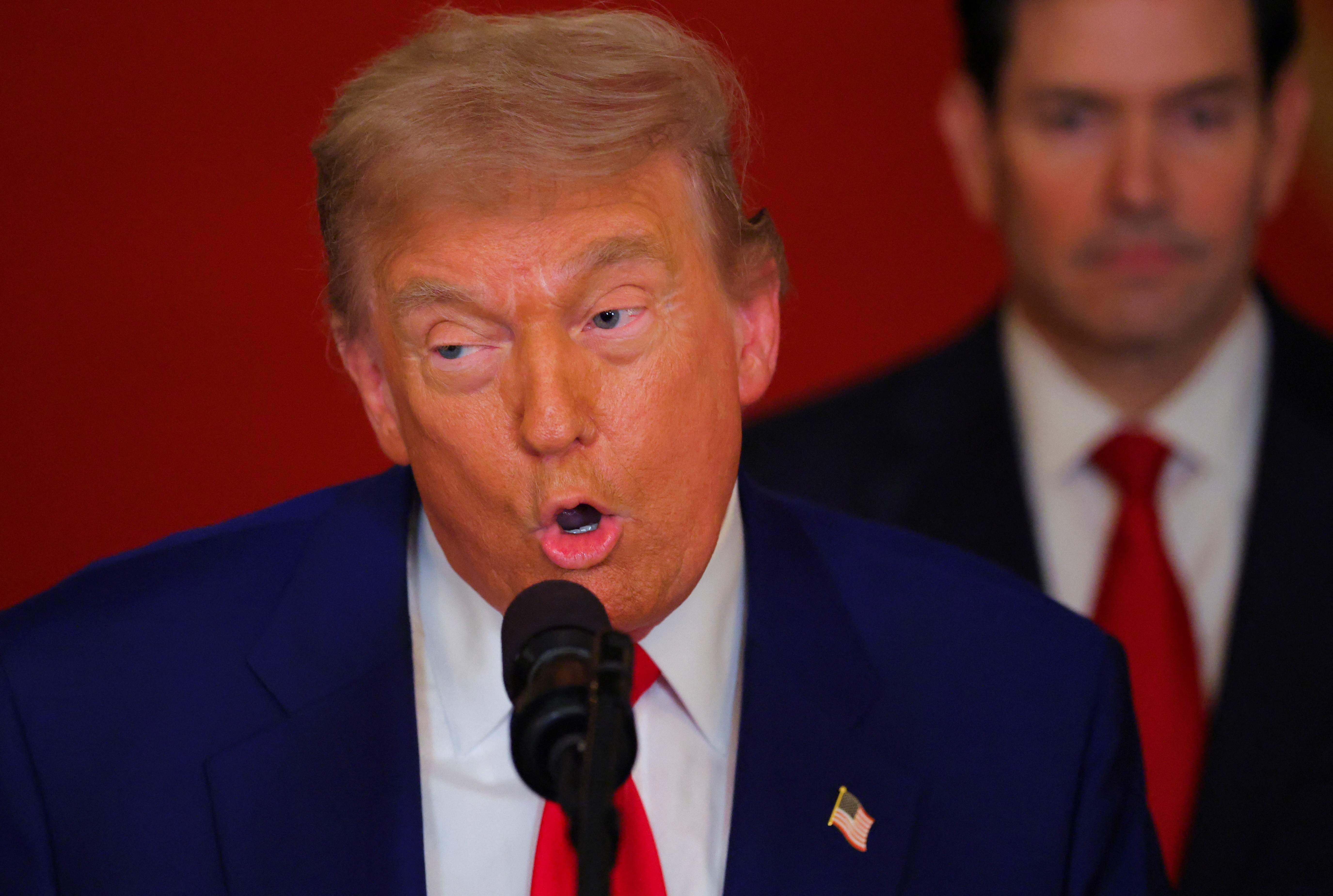
President Donald Trump is scheduled to deliver a national address on Thursday, August 16th, focusing on newly declassified intelligence related to the 2020 election and alleged vulnerabilities in electronic voting machines. A government official, speaking anonymously to Reuters on Monday, August 13th, stated that the White House believes these flaws could be exploited by foreign governments for cyberattacks. However, election officials maintain that the machines are secure and that there is no evidence of foreign interference impacting past election outcomes. The President is also expected to present declassified intelligence concerning the 2020 election. During the televised speech, Trump may reiterate his unsubstantiated claims of widespread fraud leading to his defeat by Democrat Joe Biden in 2020. These claims have been consistently rejected by courts, election audits, and the Department of Justice, which found no evidence of fraud, including any manipulation of electronic voting machines. The Cybersecurity and Infrastructure Security Agency had previously described the 2020 election as the "most secure in American history." The Trump administration has increased federal oversight of election administration and proposed changes to the voting system, which electoral law experts suggest could infringe upon states' rights and potentially violate the U.S. Constitution. With the midterm congressional elections approaching in November, Democrats and election security experts express concern that the administration might attempt to interfere with the electoral process. Experts cited by Reuters suggest that Trump's continued insistence on the illegitimacy of the 2020 election could set a precedent for contesting future Republican losses and undermining the legitimacy of Democratic victories.
The White House's focus on alleged electronic voting machine vulnerabilities, particularly in the context of declassified intelligence and upcoming parliamentary elections, presents a complex interplay of national security concerns and domestic political narratives. By highlighting potential foreign interference, the administration frames the issue as an external threat, potentially deflecting from internal criticisms regarding election administration and the integrity of the electoral process itself. This approach may serve to consolidate a particular base of support by reinforcing existing beliefs about election legitimacy, while simultaneously creating a framework for contesting future electoral outcomes should they not align with desired results. The tension between federal oversight proposals and states' rights, as noted by legal experts, points to a potential systemic contradiction within the U.S. governance structure, particularly as technology evolves and the definition of election security becomes increasingly contested. The long-term implications of such rhetoric could impact public trust in democratic institutions and the peaceful transfer of power, especially in an era where information warfare and cyber threats are increasingly sophisticated.
AI-generated to prompt reflection — not editorial opinion, not advice, not a statement of fact. How this works.