Trump to Ask Putin if Russia Shared US Base Imagery with Iran
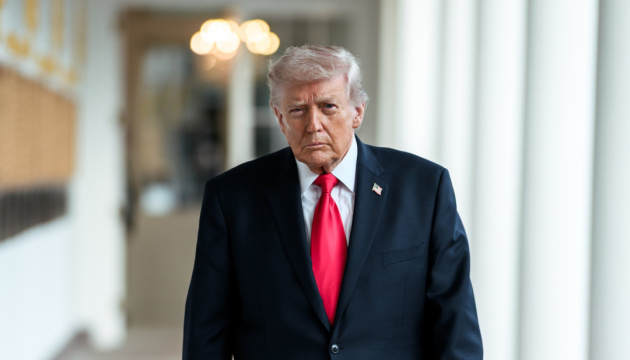
U.S. President Donald Trump stated that he intends to question Russian President Vladimir Putin regarding allegations that Russia provided Iran with satellite imagery of American bases in the Middle East. These bases were subsequently targeted by Tehran. Trump's remarks suggest a potential inquiry into the extent of Russian cooperation with Iran, particularly concerning intelligence that could be used in military actions. The President's intention to directly address this matter with Putin highlights the significance of the alleged intelligence sharing and its implications for regional security. The specific nature of the intelligence and the timing of its alleged transfer remain key points of interest. This situation underscores the complex geopolitical dynamics involving the United States, Russia, and Iran in the Middle East.
This situation presents a complex geopolitical scenario where allegations of intelligence sharing between Russia and Iran could have significant implications for U.S. national security interests in the Middle East. The potential transfer of satellite imagery of U.S. bases to Iran, if confirmed, would raise questions about Russia's strategic alignment and its willingness to provide support that could be used against U.S. allies or assets. President Trump's stated intention to directly question President Putin indicates a desire for transparency and accountability, while also potentially serving as a diplomatic maneuver to gauge Russia's position. The outcome of this inquiry could influence future U.S.-Russia relations and the ongoing efforts to manage regional stability. It also highlights the persistent challenges of verifying information and understanding the true extent of cooperation between nations in a volatile geopolitical landscape.
AI-generated to prompt reflection — not editorial opinion, not advice, not a statement of fact. How this works.