Trump to Focus on Election Conspiracy Theories in Presidential Address
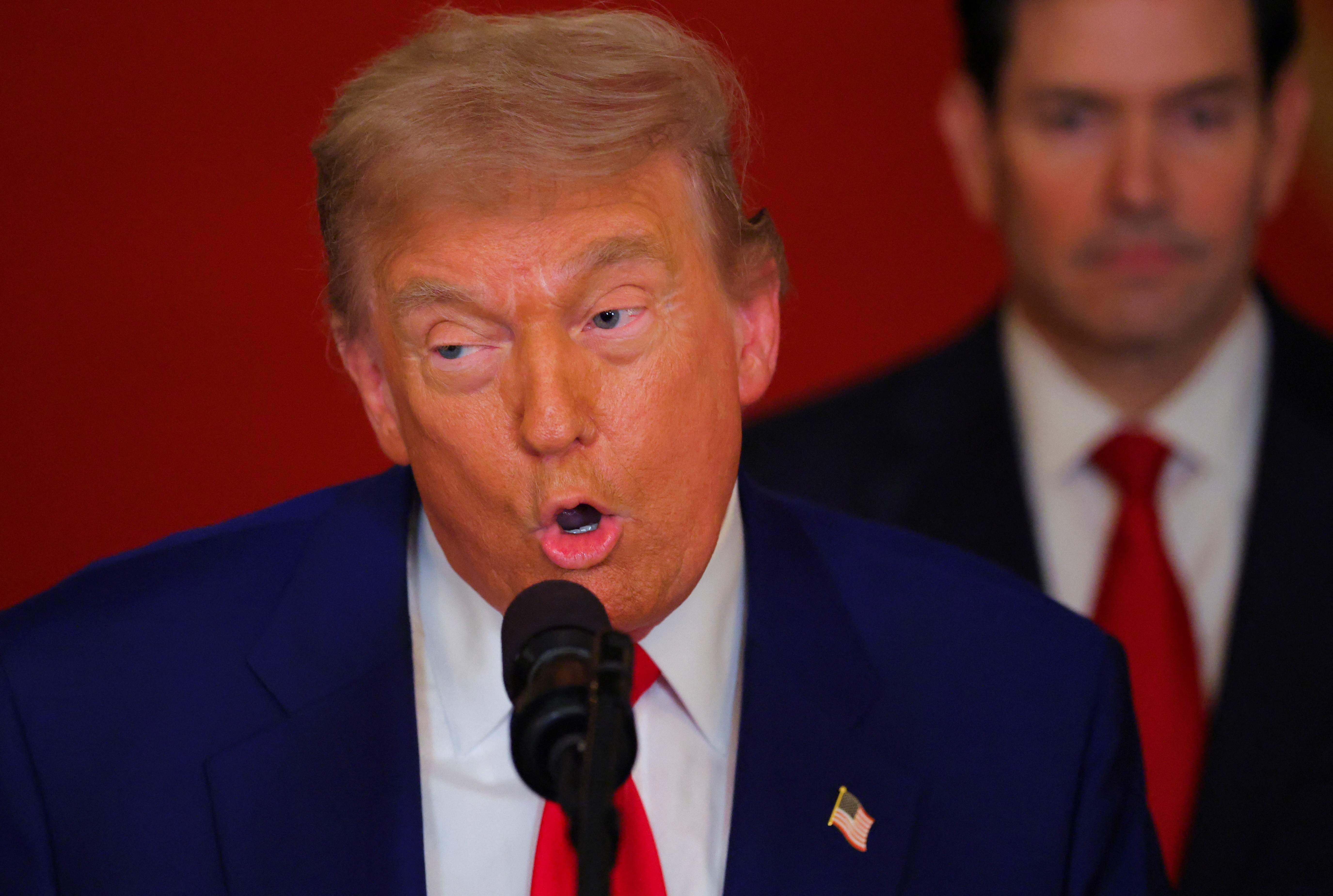
President Donald Trump is scheduled to deliver a national address on Thursday evening, focusing on conspiracy theories related to election integrity, according to the Associated Press. The address, set for 10 PM Brasília time, is expected to address "this matter" with "really, really big news," as stated by Trump when questioned by a reporter. Reuters previously reported that Trump's speech would include attacks on electronic voting machines and unsubstantiated claims of widespread fraud in the 2020 election, which he lost to Joe Biden. Democrats have expressed concerns that Trump aims to delegitimize upcoming legislative elections by reviving false narratives about the 2020 election being stolen. This focus on unsubstantiated claims, which have been consistently debunked by courts, audits, and the Department of Justice, marks a significant departure from typical presidential addresses, which are usually reserved for major national events. The federal cybersecurity agency had previously declared the 2020 election the "most secure in United States history." Election law experts warn that the Trump administration's proposed changes to the voting system could undermine state authority and potentially violate the U.S. Constitution, raising fears of interference in the upcoming November legislative elections.
The strategic use of a presidential address to disseminate unsubstantiated election conspiracy theories, particularly in the lead-up to legislative elections, highlights a potential tension between executive communication and democratic norms. By framing unsubstantiated claims as significant news, the administration may be attempting to shape public perception and create leverage for future electoral contests. This approach, which bypasses established legal and investigative channels that have previously refuted such allegations, raises questions about the long-term impact on public trust in electoral processes and institutions. The focus on past grievances, rather than forward-looking policy, could indicate a strategy to mobilize a specific voter base by amplifying existing divisions, a tactic that may prove increasingly challenging in an era demanding evidence-based governance and technological transparency.
AI-generated to prompt reflection — not editorial opinion, not advice, not a statement of fact. How this works.