Trump to Highlight Economic Policies in Michigan Amidst Tariff Concerns
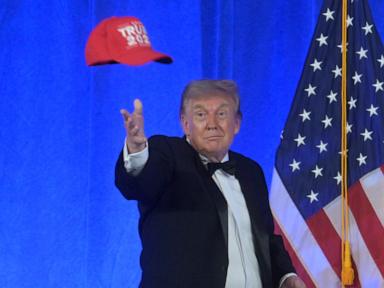
President Donald Trump is scheduled to visit suburban Detroit, Michigan, to discuss his economic policies. This visit comes at a time when new tariffs imposed on Canadian goods could potentially impact the region. The focus will be on defending his administration's economic agenda. Michigan, with its significant automotive and manufacturing sectors, is a key state where the effects of trade policies are closely watched. The visit aims to rally support for his economic initiatives and address concerns regarding the impact of trade disputes. Trump's administration has previously implemented tariffs on various goods, leading to retaliatory measures from trading partners. The specific impact of the new Canadian tariffs on Michigan's economy is a central point of discussion. The president's remarks are expected to outline the benefits of his policies and potentially address criticisms or negative consequences. This event underscores the administration's ongoing engagement with economic issues and their implications for key industrial states.
President Trump's planned visit to Michigan to defend his economic policies, particularly in light of new Canadian tariffs, highlights the intricate interplay between national trade strategy and regional economic health. The administration's focus on tariffs as a tool for economic leverage presents a complex trade-off: while intended to protect domestic industries and renegotiate trade terms, such measures can disrupt established supply chains and provoke retaliatory actions, potentially harming sectors like Michigan's automotive industry. The visit serves as an opportunity to frame these policies positively, emphasizing potential long-term gains, but it also occurs against a backdrop of immediate economic sensitivities. Future economic performance will likely depend on the administration's ability to balance protectionist goals with the maintenance of stable international trade relationships and the mitigation of adverse effects on key domestic industries.
AI-generated to prompt reflection — not editorial opinion, not advice, not a statement of fact. How this works.