Trump to Hold Separate Meetings with Ukraine and Syria Leaders During NATO Summit
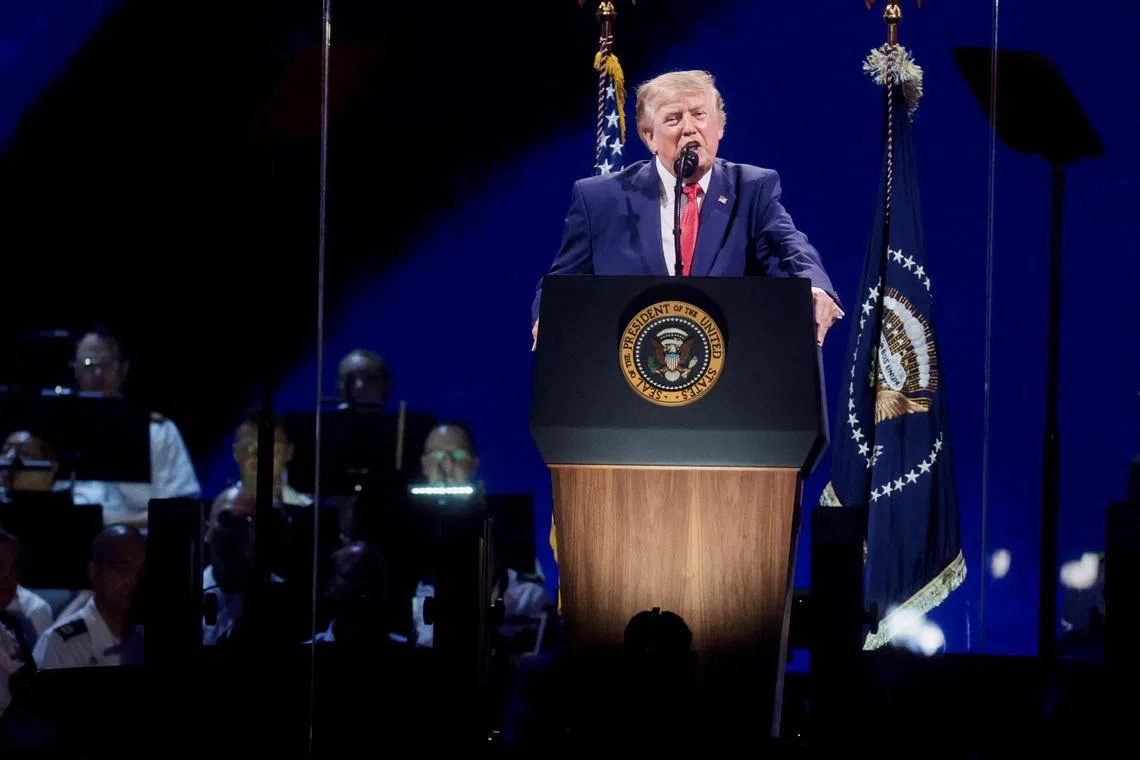
U.S. President Donald Trump is scheduled to hold separate meetings with Ukrainian President Volodymyr Zelenskiy and leaders from Syria while attending the NATO summit in Turkey this week. The meeting with President Zelenskiy is intended to renew efforts to resolve the ongoing conflict in Ukraine. A senior U.S. official confirmed these plans on Sunday. The summit will bring together leaders from the North Atlantic Treaty Organization, a military alliance of 29 North American and European countries. The specific details regarding the meeting with Syrian leaders were not immediately available, but it is expected to occur within the context of the broader summit discussions. President Trump's agenda indicates a focus on both a key European security alliance and significant geopolitical challenges in Eastern Europe and the Middle East. This diplomatic engagement highlights the administration's efforts to address complex international issues.
President Trump's planned bilateral meetings alongside the NATO summit underscore the complex geopolitical landscape, where alliances and regional conflicts intersect. The U.S. administration's stated aim to "renewed push to end the war in Ukraine" suggests an effort to leverage multilateral forums for bilateral diplomatic outcomes. This approach reflects a broader trend of major powers seeking to manage multiple international crises concurrently, balancing alliance commitments with direct engagement on contentious issues. The inclusion of Syria in these discussions, even if details are sparse, indicates a recognition of the interconnectedness of regional stability. Future policy may benefit from a more integrated strategy that addresses the root causes of conflict and displacement, considering the long-term implications of protracted instability on global security and humanitarian concerns, particularly in the context of evolving international relations and the increasing role of non-state actors.
AI-generated to prompt reflection — not editorial opinion, not advice, not a statement of fact. How this works.