Trump to Implement New Double-Digit Tariffs as Existing Levies Expire
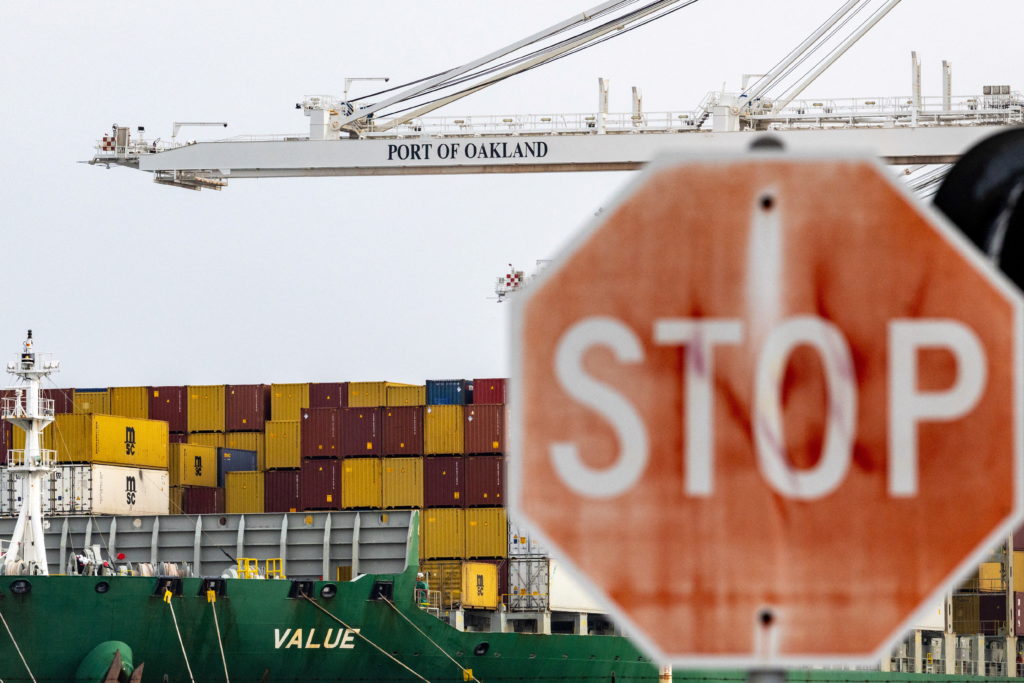
President Donald Trump is set to introduce new double-digit tariffs on numerous U.S. trading partners. This action comes as the temporary levies, initially imposed following a significant setback at the Supreme Court, are scheduled to expire on Friday. The move signals a continuation of his administration's trade policy, which has involved imposing tariffs on a wide range of goods and countries. The specific countries and products affected by these new tariffs have not yet been detailed, but the announcement indicates a broad application. This development occurs at a critical juncture, with the existing tariffs ending and new ones poised to take their place. The administration's strategy appears to be maintaining pressure on trading partners through financial measures. The expiration of the current stopgap tariffs makes the implementation of these new levies a pressing concern for international trade relations.
The imposition of new double-digit tariffs by the Trump administration, coinciding with the expiration of existing levies, reflects a consistent approach to leveraging trade policy as a tool for economic and geopolitical influence. This strategy, while aimed at potentially rebalancing trade deficits or incentivizing specific behaviors from trading partners, carries inherent risks. Such measures can disrupt global supply chains, increase costs for consumers and businesses, and potentially trigger retaliatory actions from other nations, leading to trade disputes. From a long-term perspective, the sustainability of this approach in the face of evolving global economic dynamics and the rise of digital trade remains a key question. The administration's focus on tariffs may overlook broader systemic issues related to international trade agreements and the competitive landscape shaped by technological advancements and differing regulatory environments. Evaluating the net economic impact and strategic effectiveness requires a comprehensive analysis beyond immediate trade flow adjustments, considering potential impacts on innovation, investment, and international cooperation over the next decade.
AI-generated to prompt reflection — not editorial opinion, not advice, not a statement of fact. How this works.