Trump to Impose 20% Tariff on Ships in Strait of Hormuz; Iran Cites Security Threat
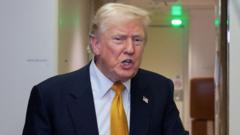
U.S. President Donald Trump has announced plans to impose a 20% tariff on ships transiting the Strait of Hormuz. Trump stated that the United States will reimpose sanctions on Iranian ports. In response, the Iranian military asserted that the U.S. has endangered the security of the entire region. This move by the U.S. administration signals a significant escalation in economic pressure on Iran. The Strait of Hormuz is a critical chokepoint for global oil shipments, making any disruption there a matter of international concern. Iran's reaction suggests a potential for retaliatory measures or increased regional tensions. The specific details of the tariff implementation and the scope of the reimposed sanctions remain to be fully clarified.
The U.S. administration's imposition of tariffs on maritime traffic through the Strait of Hormuz, coupled with the reimposition of sanctions on Iranian ports, represents a strategic economic maneuver. This action aims to exert significant financial pressure on Iran, potentially impacting its oil exports and access to international markets. The Iranian military's response highlights the geopolitical sensitivities surrounding this vital waterway, framing the U.S. actions as a regional security threat. This dynamic suggests a complex interplay between economic statecraft and national security concerns, where financial leverage is employed to influence state behavior. The long-term implications may involve heightened regional instability, shifts in global energy supply chains, and potential diplomatic recalibrations as other international actors navigate these escalating tensions.
AI-generated to prompt reflection — not editorial opinion, not advice, not a statement of fact. How this works.