Trump to Meet with Ukraine's Zelensky and Israel's Netanyahu at White House
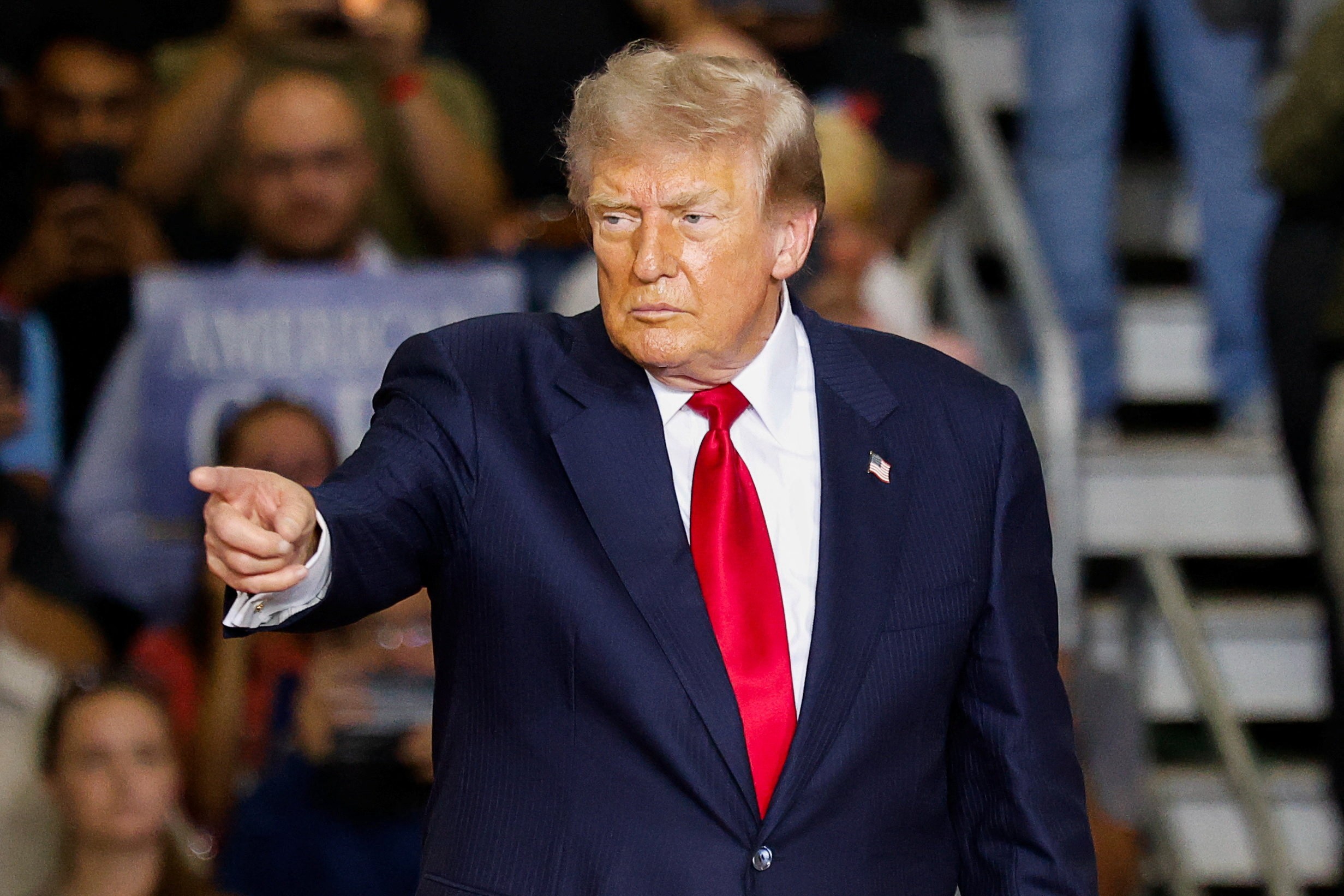
U.S. President Donald Trump is scheduled to hold separate meetings at the White House today, Tuesday, September 28th, with Ukrainian President Volodymyr Zelensky and Israeli Prime Minister Benjamin Netanyahu. These discussions occur amidst ongoing negotiations regarding the war in Ukraine and existing disagreements between Washington and the Israeli government concerning Middle East conflicts. The White House announced that Trump and Zelensky will discuss new proposals for a ceasefire between Ukraine and Russia. With Netanyahu, the agenda will cover the war in the Gaza Strip, the regional situation following the conflict with Iran, and Israel's military presence in Gaza, Lebanon, and Syria. The meeting with Netanyahu comes after a period of strain in their relationship, despite a previously close alliance. Recent months have seen friction over the strategy concerning Iran and efforts to de-escalate regional tensions. A key point of contention is U.S. pressure for Israel to reduce its military footprint, which Netanyahu opposes while Hamas remains armed. Israel has also approved an international stabilization force for Gaza, initially involving around 200 personnel from partner nations to secure a humanitarian zone in Rafah, though Israel intends to maintain its own troops there. The discussion with Zelensky will focus on a new ceasefire proposal for Russia, aiming to revive peace talks after previous rejections by Moscow. Ukraine's air defense capabilities are also a concern, with reports of a shortage of Patriot missile interceptors, partly due to U.S. stocks being depleted during the Israel-Iran conflict. President Trump recently indicated a willingness to grant Ukraine a license for local production of Patriot armaments and share necessary technology. Additionally, Ukraine is set to receive the British "Stone Cloak" electronic warfare system to enhance drone effectiveness against Russian air defenses.
The concurrent meetings between President Trump and the leaders of Ukraine and Israel highlight the complex geopolitical landscape and the interconnectedness of global security challenges. The U.S. administration faces the dual task of mediating a ceasefire in Ukraine and navigating its relationship with Israel amidst regional instability and differing strategic approaches to Iran and Gaza. The discussions on military presence and armament production reflect evolving defense strategies and the economic implications of international conflict. Future U.S. foreign policy will likely continue to grapple with balancing alliances, managing regional conflicts, and addressing the technological arms race, particularly in the context of emerging defense capabilities and the potential for localized production of advanced weaponry.
AI-generated to prompt reflection — not editorial opinion, not advice, not a statement of fact. How this works.