Trump to Meet Zelensky, Erdogan, and Assad in Turkey This Week
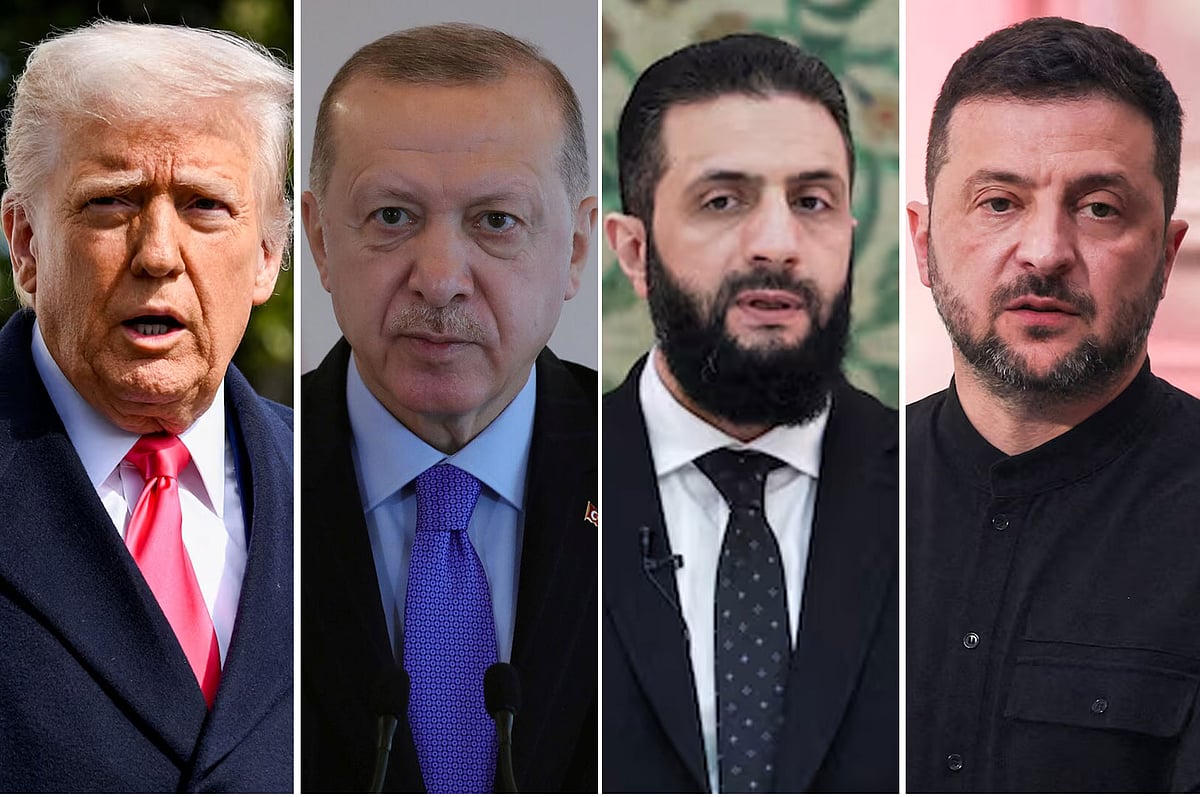
U.S. President Donald Trump is scheduled to attend a NATO summit in Turkey this week, where he will hold separate meetings with Ukrainian President Volodymyr Zelensky, Turkish President Recep Tayyip Erdogan, and Syrian President Bashar al-Assad. The summit, taking place in Ankara, Turkey, on Tuesday and Wednesday, aims to explore new initiatives to end the conflict in Ukraine. A senior U.S. official revealed on Sunday that Trump feels a genuine urgency to stop the war, noting that the battlefield has become largely static in recent months with neither side making significant progress. Trump's meeting with Zelensky is planned for Wednesday to discuss potential resolutions to the conflict. Additionally, Trump is expected to address NATO allies, urging them to increase their defense spending, and a senior official indicated that defense contracts worth billions of dollars would be announced during the summit. European officials hope Trump's established relationships with Erdogan and NATO Secretary General Jens Stoltenberg will ensure a smooth conference, although lingering transatlantic tensions over the Iran war and Trump's past criticisms of NATO contribute to some uncertainty. Trump has previously expressed sorrow over the extensive losses and destruction caused by the Ukraine war, while Ukraine has recently managed to slow Russian advances and increase pressure on Putin.
This upcoming NATO summit presents a critical juncture for President Trump to leverage diplomatic channels toward de-escalating the protracted Ukraine conflict. The stated urgency to end the war, coupled with calls for increased defense spending among allies, highlights a strategic imperative to reassess burden-sharing and collective security frameworks. The concurrent meetings with leaders from Ukraine, Turkey, and Syria underscore the complex geopolitical landscape, suggesting a broader regional security dialogue beyond the immediate conflict. Navigating these multifaceted discussions will require balancing immediate crisis management with long-term strategic alignment, particularly as global power dynamics continue to evolve under technological and societal shifts.
AI-generated to prompt reflection — not editorial opinion, not advice, not a statement of fact. How this works.